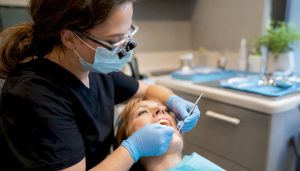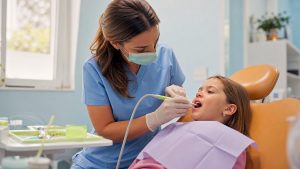
Professional teeth cleaning is the process by which a dental hygienist removes hardened plaque and bacteria from surfaces that your toothbrush simply cannot reach. No matter how carefully you brush and floss at home, certain areas of your mouth accumulate deposits that only professional tools can clear away. Understanding why teeth need professional cleaning helps you make confident decisions about your oral health. At Healthysmiledentalhygiene in Orangeville, we see every day how regular cleanings protect smiles for the long term.
Why professional cleaning removes what brushing cannot
Plaque forms constantly in your mouth. Bacteria feed on sugars and starches from food, producing a sticky film that coats your teeth and settles along the gumline. When plaque is not removed within about 24–48 hours, it begins to absorb minerals from your saliva and hardens into tartar, also called calculus.
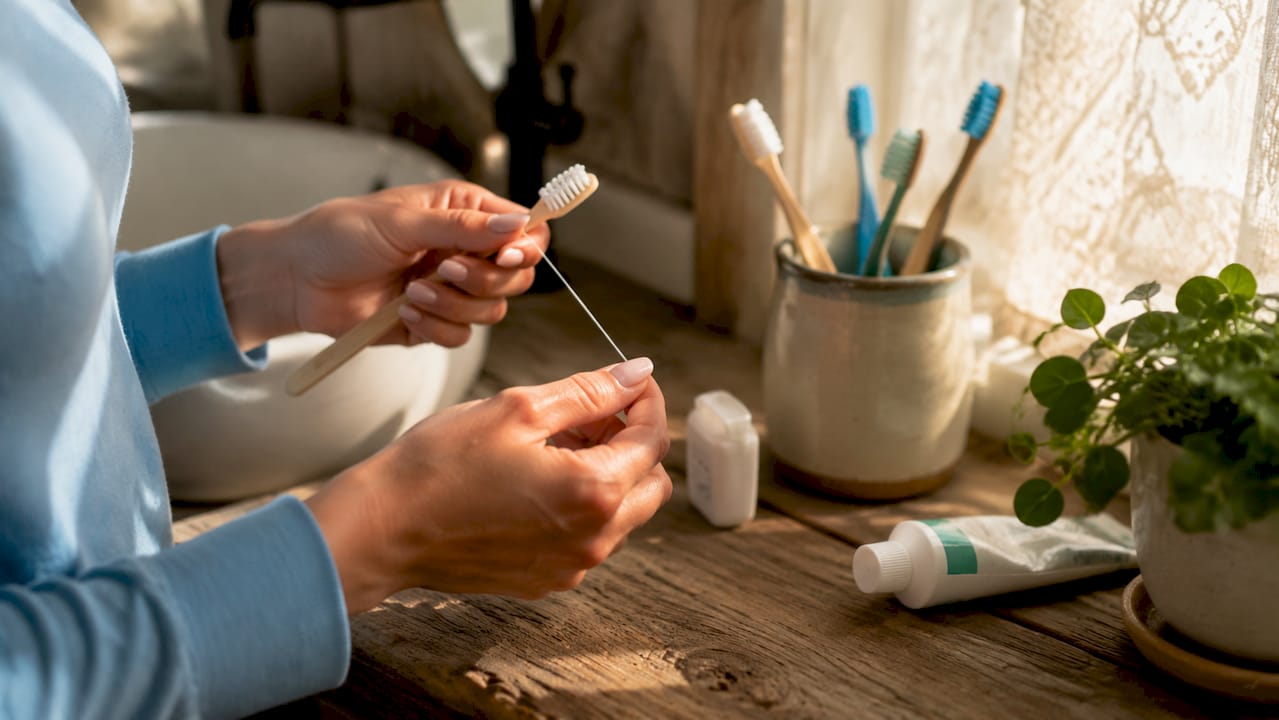
Tartar is the real problem. Once plaque mineralises into tartar, no amount of brushing or flossing will remove it. It bonds firmly to the tooth surface and can only be broken away with professional instruments. This is the core reason why home care alone is never enough.
Tartar builds up most heavily in spots your brush misses: behind the lower front teeth, along the gumline, and between teeth. Left in place, it irritates gum tissue, causes inflammation, and creates the conditions for gum disease and cavities to develop.
- Plaque is soft and sticky. Daily brushing and flossing removes it effectively when done well.
- Tartar is hard and calcified. Only a dental hygienist with professional instruments can remove it.
- Gumline deposits are the most damaging. Tartar below the gumline triggers the early stages of gum disease.
- Bacteria trapped under tartar produce acids that erode enamel and deepen gum pockets over time.
Pro Tip: Brushing for two full minutes twice a day and flossing once daily significantly slows plaque buildup, but it does not replace professional cleaning. Think of home care and professional care as partners, not substitutes.
What happens during a professional dental cleaning appointment
Many patients feel nervous before their first cleaning, often because they are not sure what to expect. The process is straightforward, and most patients find it comfortable once they understand each step.
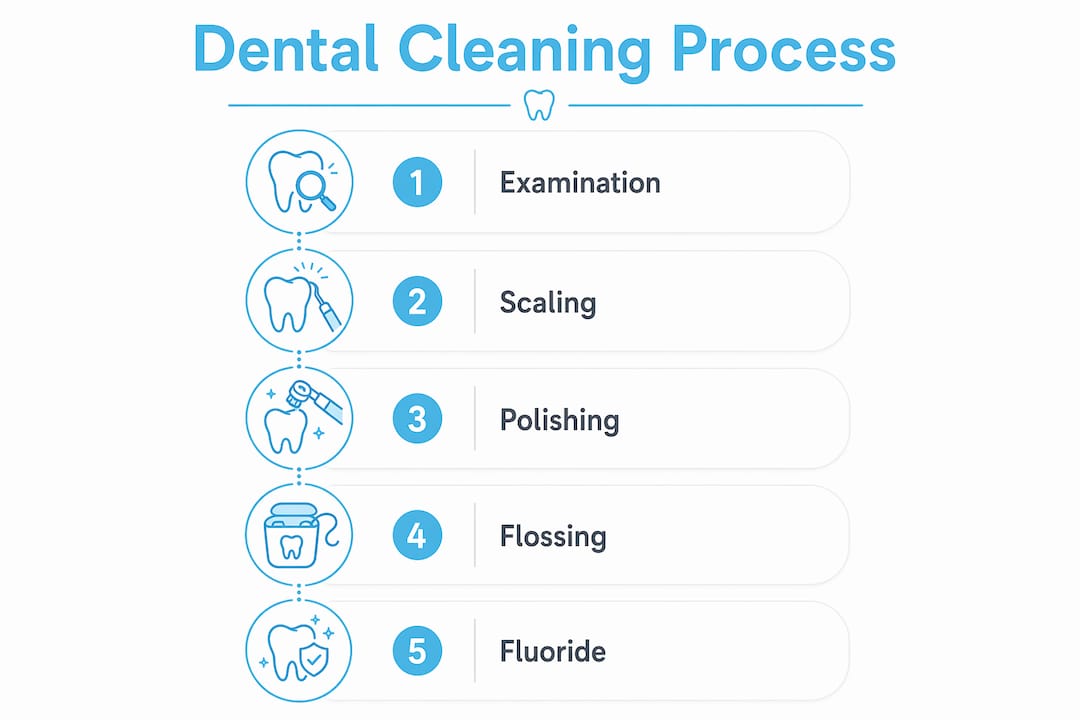
- Health review. Your hygienist reviews your medical history and notes any changes since your last visit. Medications, health conditions, and lifestyle factors all influence your oral health.
- Examination. The hygienist examines your gums, teeth, and soft tissues. This is where early signs of gum disease, cavities, or other concerns are identified before they become serious.
- Scaling. Using ultrasonic scalers and fine manual instruments, the hygienist removes tartar from tooth surfaces and along the gumline. Ultrasonic scaling uses gentle vibrations and water to break tartar apart. Most patients feel pressure but not pain.
- Polishing. A mildly abrasive paste is applied with a rotating cup to smooth tooth surfaces and remove surface stains. Polishing improves the look of your teeth and makes it harder for plaque to stick.
- Flossing. The hygienist flosses between every tooth to clear debris and check for tight contacts or bleeding.
- Preventive treatments. Depending on your risk level, your hygienist may apply fluoride or recommend dental sealants to protect vulnerable surfaces.
The clinical value of cleaning comes primarily from scaling along the gumline and between teeth, not from polishing alone. Polishing improves smoothness and appearance, but it is the tartar removal that protects your gum health.
Pro Tip: Tell your hygienist if you have sensitive teeth or feel anxious. Adjustments in technique, a slower pace, or a topical numbing gel can make the appointment much more comfortable.
Benefits of professional teeth cleaning beyond a brighter smile
The importance of dental cleanings goes well beyond removing stains. Regular professional cleanings reduce the risk of cavities, gum disease, and bad breath, and research links good oral health to lower risks of heart disease, stroke, and dementia. These are meaningful health outcomes, not just cosmetic ones.
- Cavity prevention. Removing tartar and bacteria reduces the acid exposure that erodes enamel. Fewer cavities means fewer fillings, crowns, and costly restorations down the road.
- Gum disease prevention. Gum disease begins silently. Tartar along the gumline triggers inflammation that, if untreated, progresses to periodontitis and eventual tooth loss. Regular cleanings interrupt this process early.
- Fresher breath. Persistent bad breath is usually caused by bacteria living in tartar deposits and on the tongue. Removing those deposits at a professional cleaning produces a lasting improvement.
- Systemic health benefits. The bacteria associated with gum disease have been linked to cardiovascular disease, stroke, and cognitive decline. Keeping your mouth clean reduces the bacterial load that enters your bloodstream.
- Early detection. Many dental problems are painless in their early stages. A cleaning appointment is also a diagnostic visit. Catching a small cavity or early gum inflammation is far less costly and less uncomfortable than treating an advanced problem.
“Preventive care is vital even if no symptoms are present. Regular checkups and cleanings allow dental professionals to detect issues early, when treatment is simpler and less expensive.” — Neighbourhood Health Center
Professional cleaning is also a personalised risk assessment. Your hygienist identifies patterns in your mouth, notes areas of concern, and recommends treatments suited to your specific needs. That diagnostic role transforms a cleaning from a routine task into a personalised health appointment.
How often should you get professional dental cleanings?
The standard recommendation is a professional cleaning every six months. This interval works well for most patients with healthy gums and a low risk of cavities. However, the right frequency for you depends on several individual factors.
| Patient profile | Recommended cleaning interval |
|---|---|
| Healthy gums, low cavity risk | Every 6 months |
| Moderate gum disease or history of cavities | Every 3–4 months |
| Active gum disease (periodontitis) | Every 3 months |
| Braces or orthodontic appliances | Every 3–4 months |
| Smokers or tobacco users | Every 3–4 months |
| Patients with diabetes or immune conditions | Every 3–4 months |
| Children with high cavity risk | As directed by the hygienist |
The American Dental Association recommends cleanings every six months for most patients, with individualised schedules for those with higher risk factors. Higher risk or existing conditions may require cleanings every 3–4 months. Your hygienist sets the schedule based on what your mouth actually needs, not a one-size-fits-all rule.
Patients who build tartar quickly may need more frequent visits than the standard six months. Saliva mineral content, diet, and the thoroughness of home care all influence how fast tartar accumulates. If your hygienist recommends a shorter interval, that advice is grounded in what they observe in your mouth.
Sticking to your personalised schedule is one of the most effective things you can do for your long-term oral health. Skipping appointments allows tartar to accumulate unchecked, and the consequences compound over time.
Professional cleaning vs. home oral hygiene: what is the real difference?
Home care and professional cleaning serve different purposes. Both are necessary. Neither replaces the other.
Your toothbrush and floss remove soft plaque effectively when used correctly. That daily routine is the foundation of good oral health. What home care cannot do is remove tartar once it has formed, reach the full depth of gum pockets, or identify early signs of disease.
- Home brushing removes soft plaque from visible tooth surfaces. It does not remove tartar, reach below the gumline, or clean the full depth between teeth.
- Flossing disrupts plaque between teeth and near the gumline. It cannot remove hardened deposits or clean gum pockets deeper than a few millimetres.
- Professional instruments including ultrasonic scalers and curettes reach below the gumline, into gum pockets, and along root surfaces. These tools are not available for home use and require trained hands to use safely.
- Skipping professional cleanings increases risk even for patients with excellent brushing habits. Tartar still forms in areas home care misses, and without removal, gum disease progresses quietly.
If you are curious about what happens when cleanings are skipped, the risks of skipping cleanings are well documented and worth understanding. The short version: tartar accumulates, gum disease advances, and what could have been a simple cleaning becomes a more involved treatment.
Good home care and expert oral hygiene tips work best when they are supported by regular professional appointments. One without the other leaves gaps that bacteria are quick to fill.
Key takeaways
Professional teeth cleaning removes hardened tartar that brushing cannot, prevents gum disease and cavities, and gives your hygienist the chance to catch problems early before they become costly.
| Point | Details |
|---|---|
| Tartar requires professional removal | Once plaque hardens, only a dental hygienist with professional instruments can safely remove it. |
| Cleanings protect more than your teeth | Regular cleanings reduce risks linked to heart disease, stroke, and dementia by lowering harmful oral bacteria. |
| Early detection saves money and discomfort | Many dental problems are painless early; cleanings catch them before they require complex treatment. |
| Frequency depends on your individual risk | Most patients need cleanings every 6 months, but higher-risk patients may need every 3–4 months. |
| Home care and professional care work together | Daily brushing and flossing slow plaque buildup but cannot replace the tartar removal only a hygienist provides. |
Dental cleanings at Healthysmiledentalhygiene in Orangeville
Healthysmiledentalhygiene offers professional dental cleanings for patients of all ages in Orangeville and across Dufferin County. Our hygienists take the time to understand your individual needs and build a cleaning schedule that fits your oral health goals.

Whether you are due for a routine cleaning or have not visited in a while, our team provides a comfortable, welcoming experience with no judgement. We offer scaling, polishing, fluoride treatments, and personalised preventive care all under one roof. For families, seniors, and patients who feel nervous about dental visits, we work at your pace. Learn more about our family dental services in Orangeville or book a visit with our Orangeville team today.
FAQ
What is a professional dental cleaning?
A professional dental cleaning, also called a prophylaxis or scale and polish, is a procedure where a dental hygienist removes plaque, tartar, and bacteria from tooth surfaces and along the gumline using specialised instruments. It goes beyond what brushing and flossing can achieve at home.
How often should I get my teeth professionally cleaned?
Most patients benefit from a professional cleaning every six months, though patients with gum disease, braces, or higher cavity risk may need appointments every 3–4 months. Your hygienist sets the right interval based on your individual oral health.
Does a professional dental cleaning hurt?
Scaling should not hurt for most patients. You may feel pressure or vibration from the ultrasonic scaler, particularly near sensitive areas. Letting your hygienist know about any sensitivity allows them to adjust their technique to keep you comfortable.
Can I skip professional cleanings if I brush well?
No. Even with excellent brushing habits, tartar still forms in areas your toothbrush cannot reach. Skipping professional cleanings allows tartar to accumulate unchecked, increasing the risk of gum disease and cavities over time.
Are dental cleanings good for overall health, not just my teeth?
Yes. Regular cleanings reduce oral bacteria linked to heart disease, stroke, and dementia. They also allow early detection of dental problems that, left untreated, can affect your overall wellbeing and lead to more complex and costly care.
Recommended
- The Importance of Regular Dental Visits – Healthy Smile Dental Hygiene
- Unlocking the Secrets to Healthy Smiles: How Often Should Your Family Really See the Dentist? – Healthy Smile Dental Hygiene | Dentist Brampton | Invisilign
- Teeth Whitening: Brighten Your Smile – Infinity Cosmetic Med Spa
- How Often Should I Get a Dental Cleaning in Orangeville Ontario? How Often Should You Get Dental Cleaning? Expert Tips From Orangeville Dentists – Healthy Smile Dental Hygiene | Dentist Orangeville | Invisilign