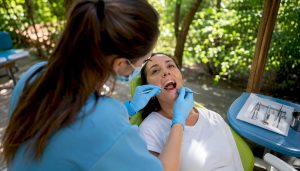
Parents often search for answers about delayed teeth kids concerns after noticing that their child’s teeth are not appearing when expected. I see this fairly often in practice. A parent comes in worried because a younger sibling already has more teeth, or because another child at school seems further along. In many cases, delayed tooth eruption turns out to be part of a normal variation, but it is still important to have it evaluated by a professional who understands children’s oral development. During visits for kids dentistry care, I usually spend time reviewing growth patterns, medical history, and the child’s overall oral health before deciding whether anything actually needs treatment.
Understanding the Tooth Eruption Timeline
Every child develops at a different pace. That is one of the first things I explain to parents. Some babies get their first tooth at six months, while others may not see one until closer to their first birthday. The same pattern can continue through childhood as permanent teeth begin replacing baby teeth.
The general tooth eruption timeline gives us useful averages, but averages are not exact rules. In practice, I have treated children whose delayed teeth kids appeared early and others whose teeth came in much later, both with healthy outcomes.
Baby teeth coming late can happen for several reasons, including:
- Family genetics
- Premature birth
- Nutrition concerns
- Pediatric growth delays
- Lack of space in the jaw
- Medical conditions affecting development
Sometimes there is no identifiable problem at all. The child is healthy, comfortable, and developing normally in every other way.
That said, I do pay attention when delays are significant or when there are additional symptoms involved. If a child is missing multiple teeth past the expected age range or has swelling, pain, or difficulty chewing, further evaluation becomes important.
No One-Size-Fits-All in Pediatric Dentistry
One thing I have learned over time is that there is rarely a single answer that applies to every child. Dentistry does not work well when approached with rigid expectations.
Some children simply need monitoring and regular checkups. Others may need X-rays to confirm that permanent teeth are developing correctly under the gums. Occasionally, orthodontic concerns or spacing issues contribute to delayed eruption.
I also remind parents that treatment is not always the goal. Observation can be the right approach. In pediatric care, timing matters, and rushing intervention before it is necessary can sometimes create unnecessary stress for both the child and the family.
When I discuss delayed eruption with parents, I focus on the child as a whole rather than just the teeth themselves. Growth patterns, eating habits, speech development, and medical history all matter. Good pediatric dentistry depends on patience and communication as much as treatment itself.
For families trying to understand what services are available locally, our Orangeville dental services page can help explain the different types of care children may need as they grow.
When Delayed Teeth May Need Closer Attention
Not every delay is a concern, but there are situations where I recommend a more detailed evaluation.
Signs I Watch for in Practice
Missing Teeth Far Beyond Expected Age Ranges
If there is a long gap beyond the normal eruption timeline, we may need imaging to determine whether the tooth is impacted, missing, or simply developing slowly.
Swelling or Discomfort
Pain is not usually associated with delayed eruption. If discomfort is present, it deserves attention.
Difficulty Eating or Speaking
Teeth play a role in chewing and speech development. Delays that affect daily function may require treatment planning.
Crowding or Lack of Jaw Space
Sometimes the permanent teeth are ready to erupt but do not have enough room.
Delays Tied to Broader Growth Concerns
Certain pediatric growth delays can affect oral development as well. In those situations, collaboration with the child’s physician is important.
The goal is not to create fear. It is simply to identify whether the delay falls within a healthy range or whether the child could benefit from additional support.
What Actually Leads to Good Outcomes
In my experience, the best outcomes usually come from steady preventive care rather than reacting only when something feels urgent.
Children who attend routine dental visits tend to feel more comfortable during examinations, and parents become more familiar with what is normal for their child’s development. This helps us notice subtle changes earlier.
I also encourage families to focus on habits at home:
- Consistent brushing and flossing
- Balanced nutrition
- Limiting sugary drinks and snacks
- Maintaining regular sleep schedules
- Keeping follow-up appointments
These may seem basic, but they matter more than most people realize.
Good communication also plays a major role. I appreciate when parents ask questions or share concerns early instead of waiting until anxiety builds. Pediatric dentistry works best when families and providers work together consistently over time.
Organizations like the Ontario Dental Association also emphasize preventive care and regular monitoring as part of healthy childhood oral development.
What Families Often Notice Over Time
When delayed eruption is monitored properly, families usually begin noticing small improvements rather than sudden changes.
Sometimes a child becomes less anxious because they understand what is happening. Parents also tend to feel more confident once they know the delay is being tracked appropriately.
I often see improvements such as:
- Better brushing habits
- Less fear around dental visits
- Increased awareness of oral health
- Improved comfort eating certain foods
- More confidence in school or social settings
These changes may sound minor, but they add up over time.
Children respond strongly to routine. When dental care becomes part of normal life instead of something connected only to problems, visits usually become easier for everyone involved.
The Importance of Long-Term Monitoring
One of the most overlooked parts of pediatric dental care is long-term consistency.
A child may look completely fine at one visit but need closer monitoring six months later as permanent teeth begin moving into place. That is why routine exams matter even when there are no immediate symptoms.
I explain to parents that delayed teeth kids cases are not usually solved with one appointment or one quick answer. Most of the time, it is a process of observation, communication, and gradual development.
Avoiding quick fixes is important. In pediatric dentistry, overly aggressive treatment is rarely ideal unless there is a clear need. Careful monitoring often gives us the best information.
Regular exams also help us identify related concerns early, including:
- Bite alignment problems
- Crowding
- Cavities around erupting teeth
- Gum irritation
- Oral hygiene challenges
When children stay connected to preventive dental care, these issues are generally easier to manage.
I have also noticed that children who build positive dental experiences early are more likely to continue prioritizing oral health as teenagers and adults. That long-term mindset matters more than people sometimes realize.
Building Healthy Habits Around Oral Development
Parents sometimes feel pressure when comparing their child’s development to others. I understand that concern. Still, comparisons are rarely helpful in dentistry.
The better approach is paying attention to the individual child in front of you.
Over time, I have learned that healthy routines usually make the biggest difference:
- Keeping regular checkups
- Staying patient with development
- Encouraging daily oral hygiene
- Asking questions when concerns arise
- Following treatment recommendations consistently
There is no perfect timeline that applies to every child. What matters most is whether the child is progressing in a healthy and monitored way.
I appreciate parents who stay engaged and proactive about their child’s health. If you have concerns about delayed tooth eruption, baby teeth coming late, or changes in your child’s oral development, you can learn more about care options through our Orangeville pediatric dental team.