Good oral health does not have a single age. It starts with a baby’s first tooth and continues through a senior’s routine maintenance visit. Dental services for every age — the term clinicians and family practices use — refers to a model of care where one team manages prevention, treatment, and education across every life stage, supported by public programmes like the Canadian Dental Care Plan (CDCP) and private insurance.
If you are sorting out care for your family right now, here are the fastest next steps:
- Check CDCP eligibility: Your household must have no private dental insurance and meet the income eligibility criteria set by the Canadian Dental Care Plan. Visit Canada.ca to confirm and apply.
- Gather your insurance details before your first appointment so the clinic can verify coverage and set up direct billing.
- Book a family appointment at a clinic that sees all ages, so children, adults, and seniors can be scheduled together.
Our Orangeville team at Healthysmiledentalhygiene welcomes patients from infants to seniors. If you would like to understand your options before booking, we are happy to help.
Table of Contents
- What dental services does each age group actually need?
- How does preventive care work across all ages?
- When should your child have their first dental visit?
- How much does dental care cost in Canada, and what does the CDCP cover?
- How do you choose a family dentist that serves every age?
- Why does the family dentistry model work so well for households?
- Key takeaways
- Healthy smiles for every age at Healthysmiledentalhygiene in Orangeville
- Useful sources
- FAQ
What dental services does each age group actually need?
The services that keep your mouth healthy shift considerably from childhood to the senior years. The table below maps typical care by life stage, along with why each service matters and where coverage commonly comes from.
| Life stage | Typical services | Why it matters | Typical frequency | Cost and coverage sources |
|---|---|---|---|---|
| — | First exam, parent coaching on brushing and diet, teething guidance | Establishes a dental home; catches early developmental issues | First visit by age 1, then as advised | Provincial programmes, CDCP (children under 18), private insurance |
| — | Cleanings, fluoride treatments, sealants on permanent molars, growth monitoring | Protects primary teeth; prevents early childhood cavities | Every 6 months (or as risk indicates) | CDCP, provincial plans, private insurance |
| — | Orthodontic screening, wisdom tooth monitoring, sports mouthguards, vaping and tobacco counselling | Guides bite development; addresses lifestyle risks | Every 6 months | CDCP, private insurance, out-of-pocket for orthodontics |
| — | Preventive cleanings, fillings, dental crowns, cosmetic options, bruxism management | Maintains function and appearance; addresses wear and stress-related grinding | Every 6–9 months, or more often if high risk | Private insurance, CDCP (if eligible), out-of-pocket |
| — | Denture care, dental implants, xerostomia screening, periodontal maintenance, coordination with medical providers | Manages medication-related dry mouth and tooth loss; supports quality of life | Every 3–6 months depending on risk | CDCP, provincial programmes, private insurance, out-of-pocket |
Children: building healthy habits early
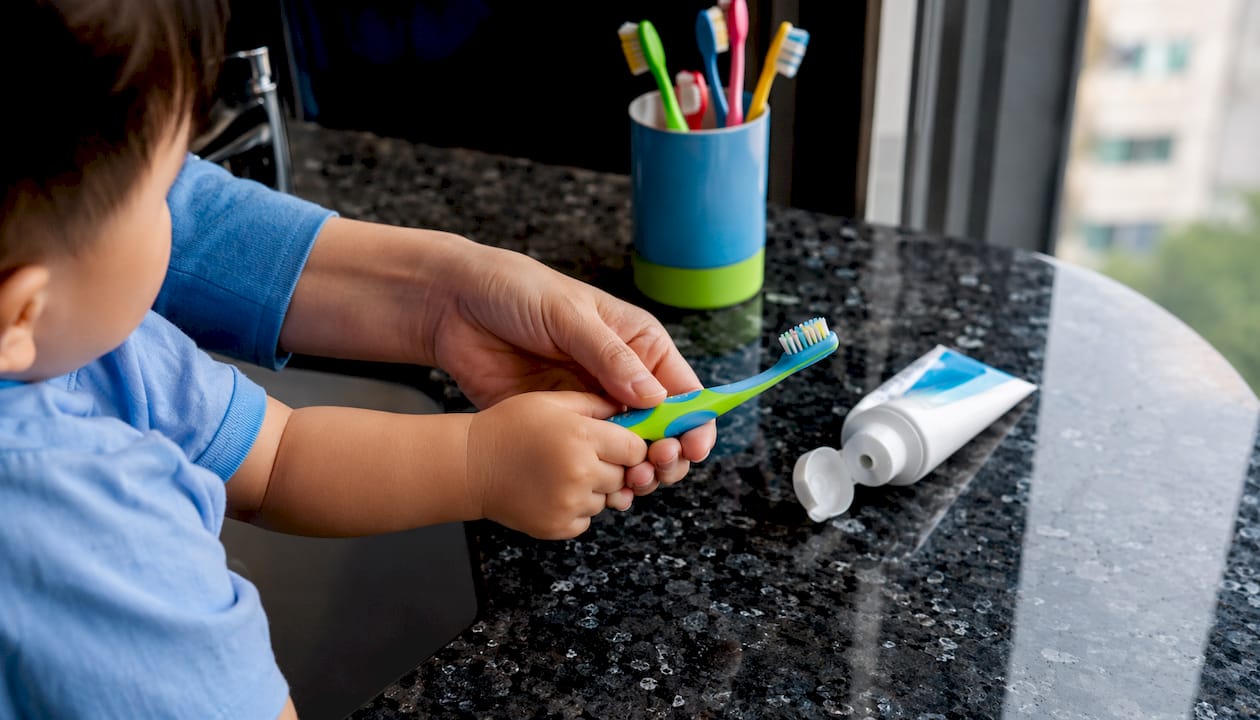
The Canadian Dental Association (CDA) recommends a child’s first dental visit by age one or within six months of the first tooth erupting. Beyond checking for cavities, that appointment is largely about coaching parents on brushing technique, diet, and habits like thumb-sucking. Sealants on permanent molars and regular fluoride treatments are the two most effective preventive tools for school-age children, and both are covered under the CDCP for patients 17 and under.
Teens: more than just braces
Teenagers face a specific set of risks that often go underdiscussed: vaping, contact sports, and the gradual eruption of wisdom teeth. An orthodontic screening by age seven is standard practice, even if treatment does not begin until the early teen years. Custom sports mouthguards are a straightforward, affordable way to prevent injuries that would otherwise require expensive restorative work later.
Adults: prevention keeps costs down
Routine adult care goes well beyond a cleaning twice a year. Managing bruxism (teeth grinding) with a night guard, addressing early gum disease before it progresses, and monitoring for oral cancer are all part of a thorough adult hygiene appointment. Cosmetic services like teeth whitening are popular among adults who want to maintain confidence in their smile alongside their clinical health.
Seniors: coordinated, medication-aware care
Seniors commonly experience medication-induced dry mouth (xerostomia), which raises the risk of decay and gum disease significantly. A thorough senior dental assessment includes a medication review, and simple interventions such as sipping water regularly, using saliva substitutes, and applying topical fluoride can materially reduce that risk. Coordinating oral health checks with a patient’s medical providers is considered best practice for older adults, since many risk factors are medication-related and benefit from an interdisciplinary approach.
How does preventive care work across all ages?
Prevention is the thread that runs through every life stage. The core home-care baseline is consistent regardless of age:
- Brush twice daily for two minutes with a fluoride toothpaste.
- Floss daily, or use interdental brushes or a water flosser if traditional floss is difficult.
- Rinse with a fluoride mouthwash if your clinician recommends it, particularly if you have a high decay risk.
- Replace your toothbrush every three months, or sooner if the bristles are frayed.
Professional hygiene appointments typically follow a six-month recall for most patients, but that interval is not fixed. High-risk patients — those with active periodontal disease, xerostomia, orthodontic appliances, or heavy caries activity — often benefit from three- to four-month maintenance visits. The CDA supports individualised recall schedules rather than a one-size-fits-all approach.
The “3-3-3 rule” and the “2-2-2 rule”: helpful or hype?
You may have come across the “3-3-3 rule” (brush three times a day for three minutes, three times a year with a dentist) or the “2-2-2 rule” (brush twice a day for two minutes, visit twice a year) circulating online. Neither is an evidence-based clinical standard. Dental professionals caution that internet memory aids like these are often oversimplified and should not replace a routine tailored to your individual risk factors. Brushing three times a day, for instance, can cause enamel wear if done aggressively. The established recommendation remains twice daily for two minutes, with professional care frequency set by your clinician based on your specific situation.
Pro Tip: If you take medications that cause dry mouth, wear braces, or have been told you have active gum disease, ask your hygienist about moving to a three- or four-month recall schedule. More frequent professional care during high-risk periods prevents problems that are far more costly to treat later.
When should your child have their first dental visit?
The CDA’s guidance is clear: schedule a child’s first dental visit by age one, or within six months of the eruption of their first tooth, whichever comes first. Many parents wait until a child has a full set of teeth or until a problem appears, but that approach misses the point of the first visit entirely.
A first appointment for a young child is brief and gentle. There is no pressure to complete a full cleaning if the child is not ready. What the visit does accomplish is meaningful:
- A short exam to check for early decay, developmental concerns, and spacing issues.
- Parent coaching on brushing technique, appropriate fluoride use, and diet choices that affect tooth health.
- Anticipatory guidance on teething, pacifier use, and thumb-sucking habits.
- An introduction to the dental environment that builds a positive association for future visits.
That last point matters more than most parents expect. Early, positive dental experiences shape how a child feels about dental care for the rest of their life. Clinics that see young children routinely use the Tell-Show-Do technique: explaining what will happen, demonstrating with a tool or mirror, and then proceeding gently. Research supports Tell-Show-Do as one of the most effective methods for reducing dental anxiety in children and building cooperative behaviour over time.
If you are wondering whether your child is ready, our guide on your child’s first dental visit walks through what to expect and how to prepare at home.
How much does dental care cost in Canada, and what does the CDCP cover?
Dental costs in Canada vary by province, by clinic, and by the complexity of treatment. Understanding the coverage sources available to your family makes planning much more manageable.
Coverage sources at a glance
| Coverage source | Who it serves | What it typically covers | Key condition |
|---|---|---|---|
| Canadian Dental Care Plan (CDCP) | Canadians without private dental insurance, income under $90,000/year | Preventive, diagnostic, restorative, periodontal, prosthodontic, endodontic, and oral surgery services | No access to private dental insurance; must file taxes annually |
| Provincial/territorial programmes | Varies by province; often children, social assistance recipients, seniors | Basic preventive and restorative care | Province-specific eligibility |
| Private dental insurance | Employer or individually purchased plans | Preventive, restorative, orthodontic (plan-dependent) | Premiums and annual maximums apply |
| Out-of-pocket | All patients | Any service not covered above | Paid directly at time of service |
CDCP eligibility in plain language
To qualify for the CDCP, you must meet all four conditions: you are a Canadian resident for tax purposes, you have filed your tax return for the previous year, you do not have access to private dental insurance, and your adjusted family net income is less than $90,000 per year. The plan covers a broad range of services including cleanings, polishing, sealants, fluoride, fillings, root canals, dentures, deep scaling, and extractions. Crowns for adults require preauthorisation. Orthodontic coverage is limited to cases meeting specific clinical criteria.
Ballpark treatment costs (before coverage)
These are general ranges to help with planning. Actual fees vary by province and clinic.
- Preventive visit (exam, cleaning, X-rays): Roughly $150–$300 for adults; often lower for children.
- Tooth-coloured filling: Roughly $150–$250 per surface.
- Dental crown: Roughly $1,000–$1,500 per tooth; CDCP covers eligible adults with preauthorisation.
- Basic partial or complete denture: Roughly $1,500–$3,000; CDCP covers removable dentures with preauthorisation.
Many clinics offer direct billing to the CDCP and private insurers, which means you pay only the portion not covered rather than paying the full amount and seeking reimbursement. When you book your first appointment, bring your Social Insurance Number, your notice of assessment, and any private insurance cards. Ask the clinic whether they offer direct billing and benefits verification — it removes a significant amount of administrative friction for families navigating new public coverage.
How do you choose a family dentist that serves every age?
Choosing a clinic that genuinely serves every member of your family takes a bit more thought than picking the nearest location. Here is what to look for and what to ask.
Selection criteria:
- Full age range: Confirm the clinic sees patients from infancy through the senior years, not just adults.
- Paediatric experience: Ask whether the team uses Tell-Show-Do and whether parents can stay with young children throughout the appointment.
- Senior accommodations: Look for accessible facilities, longer appointment times for patients with mobility concerns, and a willingness to coordinate with medical providers.
- Preventive focus: A good family clinic will explain your recall schedule and the reasoning behind it, not just book you every six months by default.
- Emergency access: Ask whether same-day or next-day emergency appointments are available for all ages.
- Benefits support: Confirm the clinic assists with CDCP enrolment questions and offers direct billing to insurers.
Questions to ask when you call:
- “Do you see patients of all ages, including infants and seniors?”
- “How do you handle a child who is nervous about their first visit?”
- “Do you offer direct billing to the CDCP and private insurance?”
- “Can we book back-to-back appointments for multiple family members?”
- “What happens if we have a dental emergency outside of regular hours?”
Red flags to watch for:
- Reluctance or inability to see young children or patients with mobility needs.
- No clear explanation of how recall intervals are determined.
- No assistance with CDCP or insurance paperwork.
- A clinic that cannot accommodate family scheduling in the same visit block.
For a deeper look at what types of family dental services to expect at each life stage, our guide covers the full picture.
Why does the family dentistry model work so well for households?
The practical advantages of having one dental home for your whole family go beyond convenience, though convenience is real. When a single team holds records across generations, they can spot patterns that would otherwise go unnoticed: a tendency toward gum recession that runs in the family, or a child whose bite development mirrors a parent’s early orthodontic history. That continuity supports earlier detection and more predictable care over time.
Comfort is another genuine benefit, particularly for patients who feel anxious about dental visits. The same clinical team, the same environment, and the same communication style reduce the uncertainty that drives dental anxiety. This matters for children, but it matters equally for older adults who may have had difficult dental experiences in the past. The behaviour guidance techniques used for children — Tell-Show-Do, distraction, modelling — translate directly to anxious adult patients. The underlying principle is the same: explain, demonstrate, and proceed at the patient’s pace.
Centralised family dental homes also reduce administrative friction. A single set of records, coordinated scheduling for multiple family members, and a team that already understands your household’s shared risk factors means fewer referrals, fewer repeated intake forms, and better adherence to recall schedules over the years.
Pro Tip: If dental anxiety is a concern for anyone in your family, ask the clinic specifically how they adapt their approach for nervous patients. A team that can answer that question confidently — for both a six-year-old and a sixty-year-old — is one worth trusting.
Key takeaways
Comprehensive family dental care works best when it starts early, stays consistent, and is supported by the right coverage — whether that is the CDCP, private insurance, or a combination of both.
| Point | Details |
|---|---|
| First visit timing | The CDA recommends a child’s first dental visit by age one or within six months of the first tooth. |
| CDCP eligibility | Households with no private dental insurance and an adjusted family net income less than $90,000 per year can qualify. |
| Preventive baseline | Brush twice daily with fluoride toothpaste; recall intervals should be personalised by risk, not fixed at a standard period for everyone. |
| Choosing a family clinic | Look for full age-range coverage, paediatric and senior experience, direct billing support, and same-day emergency access. |
| Local option | Healthysmiledentalhygiene in Orangeville offers family-focused preventive, restorative, and cosmetic care for patients of all ages in Dufferin County. |
Healthy smiles for every age at Healthysmiledentalhygiene in Orangeville
Families in Orangeville and across Dufferin County have a local option that covers every generation under one roof. Healthysmiledentalhygiene offers preventive cleanings, scaling, polishing, fillings, crowns, bridges, dentures, and cosmetic services including Invisalign and teeth whitening — all in a welcoming, unhurried environment designed to put patients of every age at ease.
The team assists with CDCP questions and offers direct billing to most major insurers, so you spend less time on paperwork and more time focused on your family’s health. Back-to-back family appointments are available, making it practical to bring children, parents, and grandparents in a single visit block. For patients who feel nervous about dental care, the team uses gentle, age-appropriate communication throughout.
To get started, book a visit or ask about CDCP coverage and direct billing when you call. Our Orangeville team is glad to help you understand your options and find a schedule that works for your whole family.
Useful sources
Readers are encouraged to consult these authoritative resources directly for current eligibility details, clinical guidance, and provincial programme information.
- Canadian Dental Care Plan (CDCP) — eligibility and application: Canada.ca/CDCP — confirm income thresholds, covered services, and how to apply.
- Canadian Dental Association — first dental visit guidance: CDA first visit — CDA recommendations on timing and what to expect.
- CDA position statement on the first dental visit: CDA position statement — the clinical rationale for early visits and parent education.
- Behaviour management in paediatric dentistry (PMC): PMC10864706 — peer-reviewed evidence supporting Tell-Show-Do and positive reinforcement techniques.
- Oral health considerations for older adults (PMC): PMC3425100 — research on xerostomia, medication effects, and senior-specific oral health risks.
- Provincial and territorial dental programmes: Coverage rules, age limits, and income thresholds vary by province. Contact your provincial health authority or visit your province’s health ministry website to confirm what is available in your area.
FAQ
Is the Canadian Dental Care Plan available for all ages?
Yes. The CDCP covers eligible Canadians of all ages, including children under 18 and seniors, provided the household has no private dental insurance and an adjusted family net income less than $90,000 per year.
What is the 2-2-2 rule in dentistry?
The “2-2-2 rule” is a popular memory aid suggesting you brush twice a day for two minutes and visit your dentist twice a year. It is not an official clinical standard; the CDA recommends individualised recall intervals based on each patient’s risk level rather than a fixed twice-yearly schedule for everyone.
What is the 3-3-3 dental rule?
The “3-3-3 rule” circulates online as a brushing guideline, but it has no single authoritative definition and is not endorsed by the Canadian Dental Association. Dental professionals caution that brushing three times a day aggressively can cause enamel wear; the established recommendation remains twice daily for two minutes.
At what age do children get free dental care in Ontario?
Ontario’s Healthy Smiles Ontario programme provides publicly funded dental care for children and youth in eligible low-income households. The CDCP also covers children under 18 who meet the national eligibility criteria. Specific age limits and income thresholds for provincial programmes can change; confirm current details at your provincial health authority’s website or ask the Healthysmiledentalhygiene team in Orangeville about CDCP support.
How do I help my child feel comfortable at their first dental visit?
Talk about the visit positively beforehand and avoid words that might create worry. Clinics like Healthysmiledentalhygiene use Tell-Show-Do — explaining and demonstrating each step before proceeding — which research confirms reduces anxiety and builds cooperative behaviour in young patients.
Recommended
- Types of family dental services: your 2026 guide
- Navigating Dental Insurance: Maximizing Benefits for Family Dental Care – Healthy Smile Dental Hygiene | Dentist Brampton | Invisilign
- How to explain dental procedures to children
- Unlocking the Secrets to Healthy Smiles: How Often Should Your Family Really See the Dentist? – Healthy Smile Dental Hygiene | Dentist Brampton | Invisilign