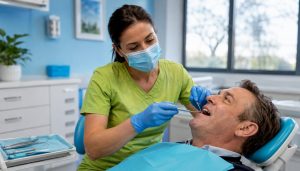
Preparing for a family dental visit means gathering the right information, choosing a smart appointment time, and setting a positive tone for everyone in the household. The Canadian Dental Association and the American Academy of Pediatric Dentistry (AAPD) both emphasise that preparation, not just attendance, determines how well children and adults experience dental care. When parents walk in organised and calm, the whole appointment runs more smoothly. This guide covers every practical step, from what to bring to how to talk to your kids beforehand, so your next visit to Healthysmiledentalhygiene in Orangeville feels easy and reassuring for the whole family.
What should you gather before the family dental appointment?
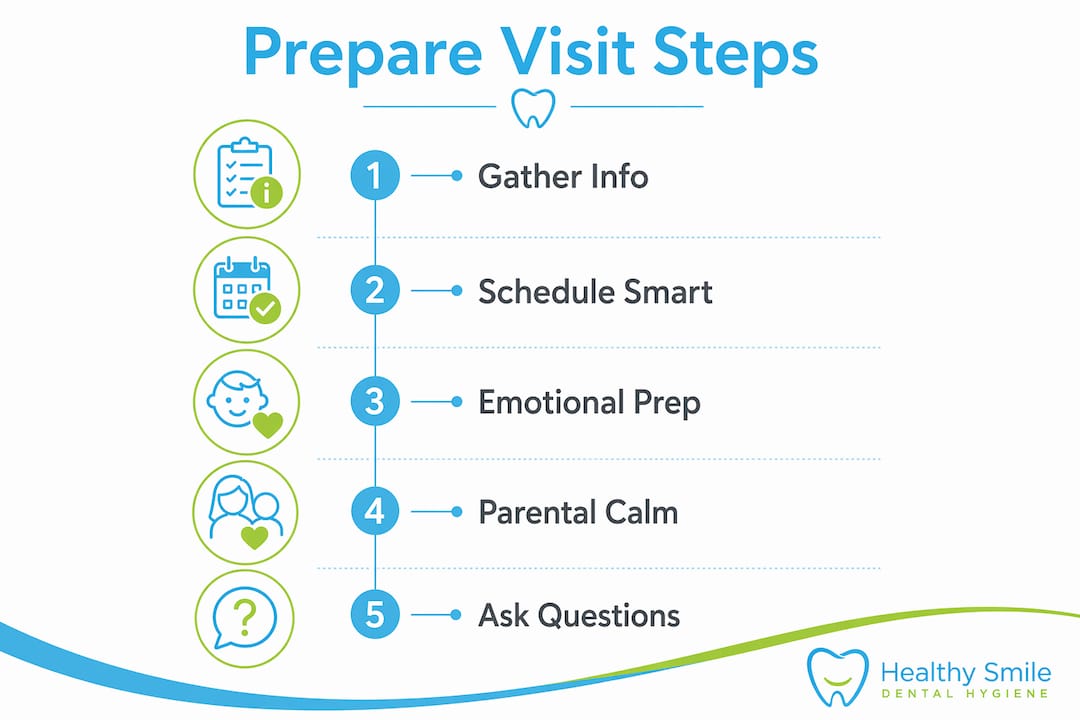
The single most useful thing you can bring is a complete picture of each family member’s health. Parents should bring a current list of medications, allergies, and any specific concerns about each person’s teeth or gums. Previous dental records or X-rays are also worth requesting from your last provider, especially if you are visiting a new practice. Having this information on hand means the hygienist can personalise care from the first minute rather than spending appointment time gathering basics.
Your dental visit checklist should cover these items:
- Medications and supplements: Include dosages and frequency for every family member.
- Allergy information: Note any reactions to latex, anaesthetics, or specific materials.
- Previous dental records or X-rays: Especially relevant for children or anyone with a complex dental history.
- Insurance cards: Verifying coverage before you arrive speeds up check-in and prevents billing surprises.
- Written questions: Jot down any concerns you have noticed at home, such as tooth sensitivity, grinding, or a child’s new habit of mouth breathing.
- Your child’s comfort item: A favourite small toy or blanket can ease anxiety for younger patients.
| Item to bring | Why it matters |
|---|---|
| Medication list | Prevents unsafe interactions with dental materials or anaesthetics |
| Allergy information | Allows the hygienist to select safe products for each patient |
| Previous X-rays | Reduces repeat imaging and gives the clinician a baseline |
| Insurance card | Confirms coverage and avoids unexpected out-of-pocket costs |
| Written questions | Keeps the appointment focused and ensures no concern is forgotten |
Pro Tip: Write your questions down the night before the visit. Parents who arrive with a short written list get more answers in less time, because the hygienist can address each point directly rather than relying on memory.
For families who see Healthysmiledentalhygiene regularly, the team keeps records on file. Still, updating your medication list at each visit is good practice, since prescriptions and supplements change over time.
When is the best time to schedule a family dental visit?
Timing a family appointment well is one of the most overlooked parts of planning a dental visit. Early morning appointments after breakfast or a nap are the best choice for young children. Children are typically well-rested, fed, and cooperative at that time of day. Afternoon slots, especially those close to nap time or after a long school day, often lead to fatigue and resistance.
Here is a practical approach to scheduling your next appointment:
- Check your child’s routine first. Avoid booking during known cranky periods, such as late afternoon or right before a meal.
- Allow enough time. A typical family appointment runs 30–60 minutes per person. Build in buffer time so no one feels rushed.
- Book a “Happy Visit” if your child is new to dental care. This is a short, no-treatment visit where your child meets the team, sits in the chair, and explores the office without any clinical work. Acclimatisation visits like this are highly effective at reducing fear before the first real appointment.
- Stagger appointments when possible. Booking children first, then adults, means kids can leave once their check-up is done rather than waiting through a longer session.
- Confirm the night before. A quick reminder call or text confirmation reduces no-shows and gives you time to reschedule if someone is unwell.
You can find more guidance on timing and scheduling family dental appointments on the Healthysmiledentalhygiene Orangeville parent guide.
Pro Tip: If your child is in school, a mid-week morning appointment tends to work better than a Monday or Friday slot. Mid-week mornings are less disrupted by weekend excitement or end-of-week fatigue.
How do you prepare children emotionally for a dental visit?
Emotional preparation is the part most parents underestimate, and it has the biggest impact on how the visit goes. The goal is to build a calm, positive association with dental care before your child ever sits in the chair.

Start with your language. Child-friendly terms reframe the experience entirely. Instead of “needle” or “drill,” use words like “sleepy juice” or “tooth counter.” Calling an X-ray machine a “space camera” turns a potentially scary moment into something curious and fun. Language choice is a real clinical tool, not just a trick.
Here are the most effective strategies for making a kids’ dentist visit feel positive:
- Read books or watch short videos about dental visits. Stories featuring characters who visit the dentist help children know what to expect without any fear-based framing.
- Play “dentist” at home. Take turns counting each other’s teeth with a toothbrush. This role-play makes the real appointment feel familiar.
- Keep your explanation short and upbeat. A brief, cheerful explanation given just a day or two before the visit reduces anticipatory anxiety better than a long conversation started weeks ahead. Timing and brevity matter more than detail.
- Avoid negative framing. Phrases like “it won’t hurt” or “don’t be scared” actually introduce the idea of pain or fear. Say instead, “The hygienist is going to count your teeth and make them sparkly clean.”
- Praise specific brave behaviours. After the visit, say “You did a great job keeping your mouth open when asked” rather than a vague “good job.” Specific praise builds lasting confidence for future visits.
“Empowering children with positive language and praising specific brave behaviours during visits builds lasting positive dental associations. Avoiding promises of perfection and focusing on incremental bravery encourages confidence.”
For families dealing with deeper anxiety, Healthysmiledentalhygiene has a dedicated resource on helping children overcome dental anxiety with proven tips from the Orangeville hygiene team.
You can also explore daily oral hygiene practices to reinforce good habits at home between visits, which makes children more comfortable with the idea of dental care as a normal routine.
How does parental behaviour shape the dental visit?
Parental calmness is the single strongest predictor of a positive child dental experience. Children read their parents’ body language and tone before they process any words. A parent who sighs, tenses up, or says “I hate the dentist too” sends a clear signal that the appointment is something to dread.
The most effective approach is matter-of-fact positivity. Treat the dental visit the way you treat a haircut or a school check-up: normal, routine, and fine. You do not need to oversell it or make it a big event. Just keep your tone light and your body language relaxed.
Being well-informed also reduces your own anxiety. When you understand what the hygienist will do during a cleaning or check-up, you feel less uncertain. That confidence transfers directly to your child. Read the parent’s guide to first dental visits from Healthysmiledentalhygiene if you want a clear picture of what to expect.
Open communication with the dental team also helps. Let the hygienist know if your child has had a difficult experience before, or if there are any sensory sensitivities to be aware of. A good dental team will adjust their approach accordingly.
Pro Tip: Avoid discussing your own dental fears with your child before the appointment. Save that conversation for after, when the visit is already a positive memory. Your child’s experience should be shaped by their own, not yours.
What are the most common mistakes families make before a dental visit?
Even well-prepared parents run into avoidable problems. Knowing the most common mistakes helps you sidestep them before they affect your appointment.
- Over-explaining the visit too early. Starting the conversation weeks in advance gives children too much time to build worry. A short, positive chat one or two days before is enough.
- Booking at the wrong time of day. A tired or hungry child is far less cooperative. Scheduling after rest and food is not optional; it is the foundation of a smooth visit.
- Forgetting key paperwork. Arriving without insurance cards, medication lists, or previous records slows down check-in and can affect the quality of care your family receives.
- Using fear-based language unintentionally. Reassurances like “it won’t be that bad” or “just be brave” signal that there is something to fear. Neutral, positive language works better every time.
- Not having a plan if a child becomes upset. Decide in advance how you will respond if your child resists. A calm, quiet voice and a short break outside the room often helps more than pushing through. Let the hygienist guide you; they handle this regularly and have effective techniques.
The AAPD recommends that children have their first dental visit by age one or within six months of the first tooth eruption. Starting early means dental visits become routine before fear has a chance to develop.
Key takeaways
Preparing your family dental visit well, from gathering health information to choosing the right appointment time and using positive language with children, is the most reliable way to make every visit comfortable and effective.
| Point | Details |
|---|---|
| Gather health information in advance | Bring medications, allergies, insurance cards, and written questions for each family member. |
| Schedule at the right time | Morning appointments after rest and food produce the best cooperation from children. |
| Use positive, child-friendly language | Reframe dental tools with fun names and keep your pre-visit explanation brief and upbeat. |
| Model calm parental behaviour | Your relaxed tone and body language set the emotional tone for your child’s experience. |
| Start dental visits early | AAPD guidelines recommend a first visit by age one to build positive habits from the start. |
Healthysmiledentalhygiene is here for your whole family in Orangeville
Healthysmiledentalhygiene in Orangeville offers friendly, family-focused care for patients of every age, from toddlers having their first check-up to adults looking for preventive or restorative support. The team understands that a smooth visit starts before you walk through the door, which is why they are happy to answer questions, help you understand your dental insurance benefits, and guide you through what to expect at each appointment.
Whether you are booking a first visit for your little one or scheduling the whole family for a cleaning, the Orangeville team at Healthysmiledentalhygiene is ready to make the experience comfortable and positive. Explore the full range of family dentistry services and book a visit that works for your schedule.
FAQ
When should a child have their first dental visit?
The AAPD and ADA recommend a first dental visit by age one or within six months of the first tooth coming in. Starting early builds positive habits and allows early detection of any concerns.
How long does a family dental appointment take?
A typical appointment runs 30–60 minutes per person, covering an oral hygiene review, a gentle assessment, and time for parent questions. Plan for the full hour when bringing young children.
What is a “Happy Visit” and does my child need one?
A Happy Visit is a short, no-treatment appointment where your child meets the dental team and explores the office without any clinical work. It is especially helpful for children who are anxious or visiting a dental practice for the first time.
How do I talk to my child about going to the dentist?
Keep the conversation brief, positive, and close to the appointment date. Avoid fear-based language and use child-friendly terms for any tools or procedures. Role-playing at home with a toothbrush is one of the most effective ways to prepare young children.
What if my child gets upset during the appointment?
Stay calm and use a quiet, reassuring voice. A short break outside the treatment room often helps. Let the hygienist lead, as dental teams who work with families are experienced in gentle, patient-paced techniques that help children settle.
Recommended
- How Do I Help My Child Overcome Dental Anxiety? Proven Tips from Orangeville Hygienists – Healthy Smile Dental Hygiene | Dentist Orangeville | Invisilign
- Schedule family dental appointments: Orangeville parent guide
- Navigating Dental Insurance: Maximizing Benefits for Family Dental Care – Healthy Smile Dental Hygiene | Dentist Brampton | Invisilign
- Say Cheese! Dive into the World of Family Dentistry – Healthy Smile Dental Hygiene | Dentist Brampton | Invisilign