What is an oral health screening?
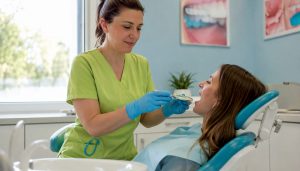
An oral health screening is a brief, non-diagnostic visual assessment of your mouth performed by a trained professional to spot visible signs that need follow-up care. It is not a diagnosis, and it does not replace a full dental exam. Think of it as a first look: a way to identify whether you need to see a dentist for a closer evaluation.
Screenings typically take a short amount of time and require no X-rays, no needles, and no invasive procedures. They happen in schools, community health clinics, long-term care homes, and primary care offices across Canada.
What an oral health screening includes:
- A visual inspection of the teeth, gums, tongue, and soft tissues
- A check for visible signs of decay, inflammation, or abnormalities
- Observation of oral hygiene and overall mouth condition
- A recommendation for follow-up or referral if concerns are found
Who performs oral health screenings in Canada?
In Ontario, regulated oral health professionals such as dentists and registered dental hygienists are the primary providers of oral health screenings. Public Health Ontario mandates that public health units conduct screenings in elementary schools, and these are carried out by regulated professionals under strict infection prevention protocols.
Beyond dental professionals, trained nurses, nurse practitioners, and community health workers can also perform screenings using validated tools. The key distinction is that only a dentist or mid-level oral health professional can provide a formal diagnosis and treatment plan.
How is an oral health screening conducted?
The process is straightforward and designed for community settings, meaning it works just as well in a school gymnasium as in a clinic.
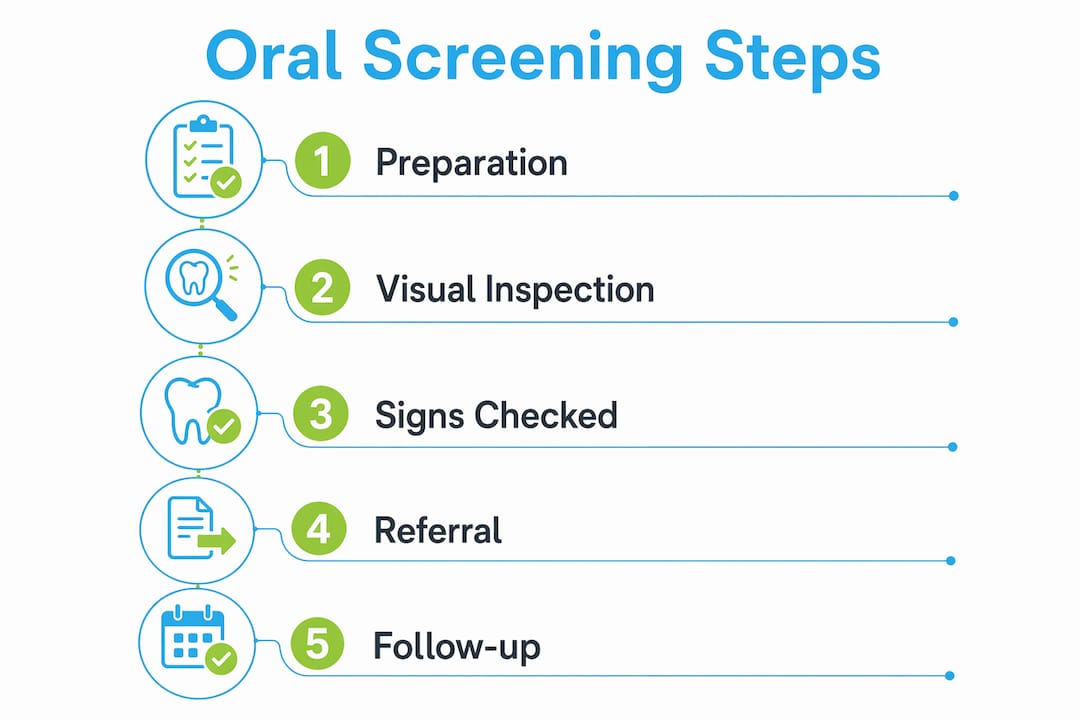
Typical steps in a screening:
- A point-of-care risk assessment is completed before the appointment begins
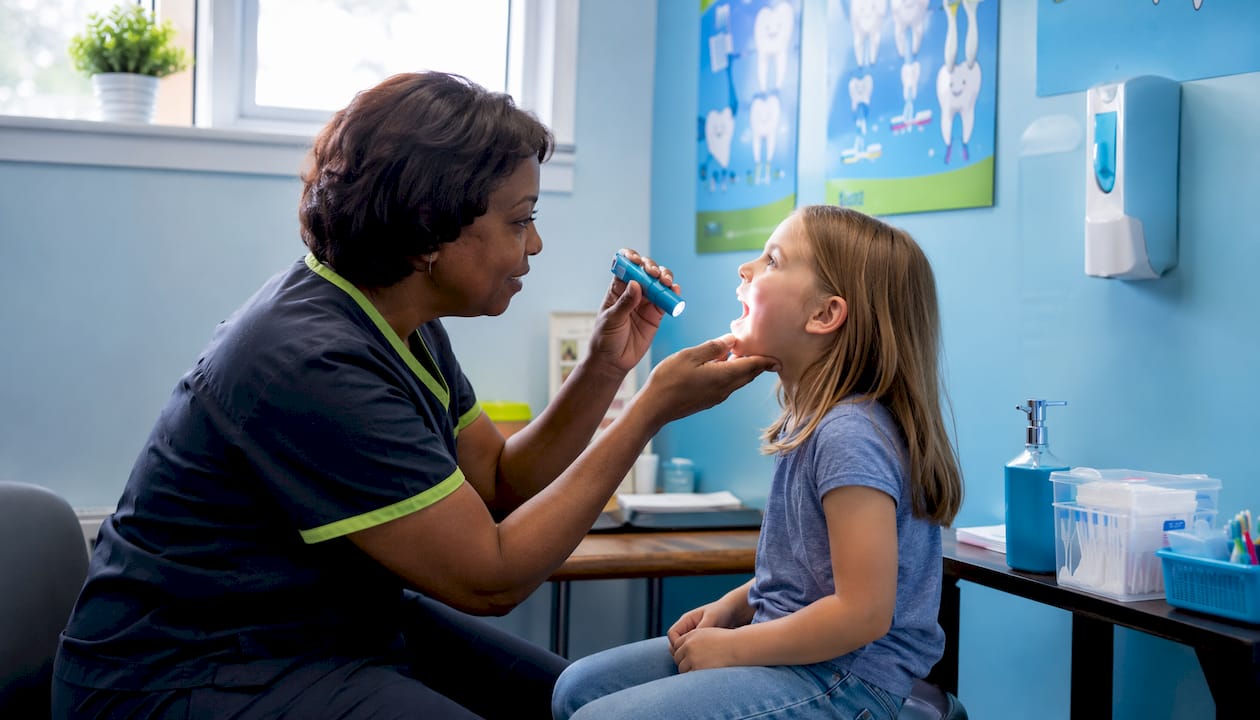
- The professional uses sterile disposable mouth mirrors and a light source
- A no-touch technique is applied wherever possible to protect both patient and provider
- Alcohol-based hand rub and appropriate personal protective equipment are used throughout
- The professional visually inspects all visible oral tissues, noting any concerns
- Results are recorded and shared, with referrals issued when needed
Ontario school screenings follow strict infection prevention and control (IPAC) protocols, and the same standards apply in care homes and community clinics.
What signs does a screening look for?
Screenings are designed to catch problems early, before they become painful or costly. Professionals look for a specific set of visible warning signs during the assessment.
Common signs flagged during a screening:
- Inflamed, swollen, or bleeding gums
- Visible tooth decay or discolouration
- Mouth ulcers or sores that have not healed
- Persistent bad breath
- Loose or missing teeth
- Facial swelling or tenderness
- Changes to the oral mucosa, such as white or red patches
That last point matters more than many patients realise. Mucosal abnormalities can signal serious conditions beyond routine decay, including early-stage oral cancer. Catching these changes during a routine screening is exactly why the process has value even when nothing feels wrong.
Common oral diseases a screening can help identify
A screening will not diagnose these conditions, but it can raise the flag that prompts a proper exam. The ten most common oral diseases relevant to screening include:
- Tooth decay (dental caries): Visible as dark spots, pitting, or visible cavities
- Gum disease (gingivitis/periodontitis): Red, swollen, or receding gums
- Oral cancer: Unexplained sores, lumps, or discolouration on soft tissues
- Oral thrush: White patches on the tongue or inner cheeks
- Bruxism (teeth grinding): Worn tooth surfaces or jaw tenderness
- Dry mouth (xerostomia): Cracked lips, sticky mouth, or difficulty swallowing
- Dental abscesses: Swelling, pain, or visible pus near a tooth
- Canker sores: Recurring ulcers on the inner cheeks or tongue
- Tooth sensitivity: Visible enamel erosion or exposed roots
- Bad breath (halitosis): Often linked to gum disease or decay
Canadian context and how Healthysmiledentalhygiene supports local families
Canada has developed specific tools to make oral health screenings more accessible, particularly for seniors. The Canadian Oral Health Screening Tool for Seniors, endorsed by leading Canadian dental and geriatric associations, allows non-dental caregivers to assess oral health and connect patients with professional care. This reflects a growing recognition that early detection in vulnerable populations depends on more than just dental office visits.
For seniors in particular, screenings also assess daily oral hygiene ability, which can prompt caregivers to adjust care plans before complications arise. Practical guidance on senior dental care can help families understand what to watch for between professional visits.
Pro Tip: If a loved one is in a long-term care facility in Dufferin County, ask whether oral health screenings are part of their regular care plan. Many families are surprised to learn this is a standard preventive service.
At Healthysmiledentalhygiene in Orangeville, our team understands that a screening can feel unfamiliar, especially for patients who haven’t had regular dental care. We make the process calm, clear, and comfortable for patients of every age.
How often should you have an oral health screening in Canada?
For most adults and children, an oral health checkup every six to twelve months is the general guideline recommended by Canadian dental professionals. Children in Ontario receive mandated screenings through the school system, typically in junior and senior kindergarten and again in later grades. Seniors and individuals with chronic health conditions may benefit from more frequent assessments, as their oral health can change quickly.
How to prepare for your oral health screening
Preparation is minimal, which is part of what makes screenings so accessible.
- Brush and floss before your appointment as you normally would
- Write down any symptoms you’ve noticed, such as soreness, bleeding, or sensitivity
- Bring a list of current medications, since some affect saliva production and gum health
- Let the screener know about any recent changes to your health
- If you feel anxious, tell the team. A good screener will walk you through each step
What happens after an oral health screening?
If the screening finds no concerns, you’ll typically be advised to continue your regular dental visits. If something is flagged, you’ll receive a referral to a dentist for a full dental checkup, which includes a complete clinical exam, medical and dental history review, and X-rays as needed. The screening result is not a diagnosis; it is a prompt for the right next step.
Accessing oral health screenings across Canada
Ontario’s public health system provides free screenings through schools and some community programmes. The Canadian Dental Care Plan, launched in 2024, has expanded coverage for eligible Canadians who previously lacked dental benefits, making it easier to access both screenings and follow-up care. Community health centres, Indigenous health programmes, and public health units across the country also offer screenings at no cost to qualifying patients.
At Healthysmiledentalhygiene, we’re here to help Orangeville families understand their oral health and take confident next steps. Whether you’re due for a screening or ready to book a full exam, our team makes every visit welcoming. Book a visit today and let us help you keep your smile healthy.
Key takeaways
An oral health screening is a brief, non-diagnostic visual assessment that identifies visible concerns and determines whether a full dental exam is needed.
| Point | Details |
|---|---|
| Non-diagnostic by design | Screenings flag concerns for referral; only a dentist can diagnose and treat. |
| Who performs them | Dentists, dental hygienists, nurses, and trained community health workers in Canada. |
| What they detect | Decay, gum disease, mucosal changes, and other visible signs of oral health problems. |
| Recommended frequency | Every 6–12 months for most patients; more often for seniors or those with health conditions. |
| Canadian access | Available through Ontario schools, public health units, and the Canadian Dental Care Plan. |
FAQ
What is an oral health screening?
An oral health screening is a short, non-diagnostic visual and manual assessment of the mouth performed by a trained professional to identify visible concerns that may need follow-up by a dentist.
How is an oral screening done?
The screener uses a sterile mouth mirror and light to visually inspect the teeth, gums, and soft tissues, following strict infection control protocols. No X-rays or invasive procedures are involved.
What are four signs that may indicate an oral health problem?
Common warning signs include inflamed or bleeding gums, visible tooth decay, mouth sores that won’t heal, and persistent bad breath. Any of these warrants a follow-up dental exam.
What are the most common oral diseases a screening can flag?
The ten most common include tooth decay, gum disease, oral cancer, thrush, bruxism, dry mouth, abscesses, canker sores, tooth sensitivity, and bad breath. A screening can raise concern for each, though diagnosis requires a full dental exam.