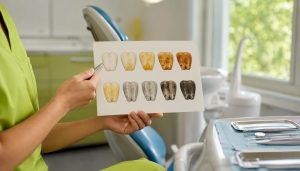
Pediatric dental care is the branch of dentistry focused on the oral health of children, from the appearance of the first baby tooth through the late teenage years. In Canada, major dental associations recommend the first dental visit within six months of the first tooth or by age one, whichever comes first. After that, routine checkups every six months keep development on track and catch small problems before they grow. Understanding what is pediatric dental care, and why it starts so early, gives you the confidence to make the right choices for your child’s smile from the very beginning.
What is pediatric dental care and why does it start so early?
Pediatric dental care covers all preventive, diagnostic, and treatment services designed for children’s developing teeth and oral tissues. The field is also called paediatric dentistry, and both terms refer to the same specialised practice. Major dental associations recommend the first visit within six months of the first tooth or by age one. That timeline exists because baby teeth begin shaping the jaw and guiding permanent teeth into position almost immediately after they appear.
Starting early also means your child’s dental team can spot risks before they become problems. A dentist can assess feeding habits, check for early signs of decay, and give you practical guidance on brushing and diet. The importance of early dental care goes beyond the teeth themselves. It builds a routine that children carry into adulthood, making every future visit easier and less stressful.
What happens during a pediatric dental exam?
A pediatric dental exam is typically a 30–45 minute appointment designed around the child’s comfort, not around completing a long list of procedures. The visit includes an oral development assessment, gentle cleaning, a growth check, and a conversation with you about home care. The focus is on education and familiarity, not on invasive treatment.
Here is what most pediatric dental exams include:
- Oral health check: The dentist examines teeth, gums, and soft tissues for signs of decay, inflammation, or developmental concerns.
- Gentle cleaning: A light polish removes surface buildup and gets your child used to the feel of dental tools.
- Growth monitoring: The dentist checks jaw alignment and the spacing of teeth to flag any early orthodontic concerns.
- Parent guidance: You receive specific advice on brushing technique, diet, pacifier use, and thumb-sucking habits.
- Risk assessment: The dentist identifies factors that raise your child’s decay risk, such as frequent sugary drinks or shallow enamel.
X-rays are rarely performed on toddlers unless there is a clear clinical reason. During rapid jaw development, dentists prefer careful observation over radiographs to avoid unnecessary radiation exposure. This cautious approach reflects current best practice across Canadian dental guidelines.
Pro Tip: Bring your child’s favourite small toy or comfort object to the first exam. Familiar items reduce anxiety and give the dental team a natural conversation starter to help your child relax.
Why early dental care matters: common risks and how to prevent them
Early childhood caries, known as ECC, is one of the most common chronic conditions in young children. The American Academy of Pediatric Dentistry defines ECC as any decay, missing tooth, or filled primary tooth surface in a child under age six. Left untreated, ECC causes pain, difficulty eating, and disrupted sleep. It can also affect speech development and a child’s confidence at school.
Preventive measures make a measurable difference:
- Fluoride varnish: Applied directly to teeth at dental visits, fluoride varnish strengthens enamel and reduces decay risk. It takes less than a minute to apply and is safe for children as young as six months.
- Dental sealants: A thin protective coating painted onto the chewing surfaces of back teeth. Sealants are most effective when applied as soon as the first permanent molars appear, typically around age six.
- Diet counselling: Frequent exposure to sugary drinks, including juice and formula, is a leading driver of ECC. Your dental team can help you build feeding habits that protect enamel.
- Oral hygiene education: Teaching children to brush twice daily with a fluoride toothpaste, using an age-appropriate amount, is the single most effective home habit.
Jaw and facial bone development is also monitored at every visit, well before permanent teeth emerge. Catching crowding, crossbites, or spacing issues early means simpler orthodontic treatment later. A proactive approach at age seven often prevents the need for more complex intervention at age twelve.
“The goal of pediatric dental care is not just to treat problems. It is to prevent them from starting in the first place.”
How pediatric dentists create comfortable experiences for children
Pediatric dentists receive two to three years of additional residency training beyond dental school, with a significant focus on child psychology and behaviour management. That training changes how the entire appointment feels. A paediatric dental team knows how to pace a visit, use child-friendly language, and read a child’s body language to avoid overwhelming them.
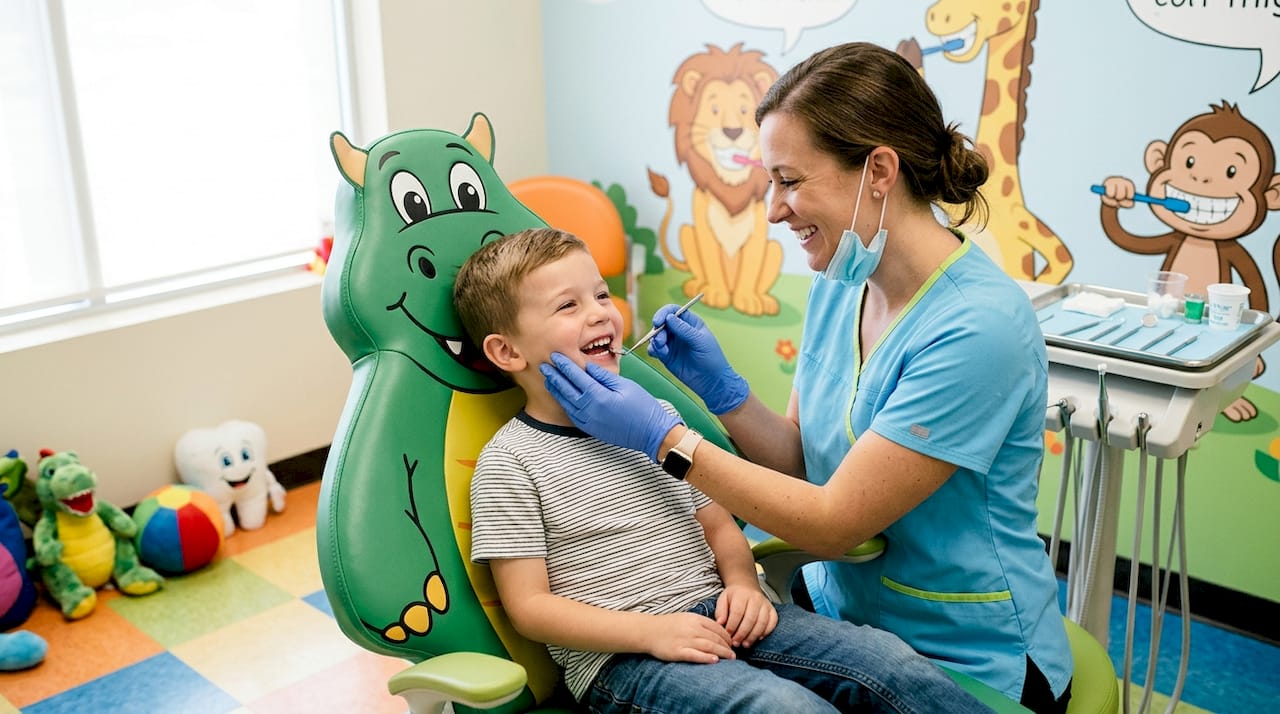
Child-friendly dental offices are designed with this in mind. You will typically find smaller dental chairs scaled to a child’s body, bright colours or themed décor, and waiting areas with books or activities. These details are not just cosmetic. They signal to a child that this space was built for them, which reduces the fear response before the appointment even begins.
Pediatric dental exams function like training wheels for lifelong oral health. They are simpler and gentler than adult appointments, focused entirely on building trust. A child who has positive early experiences is far more likely to attend regular dental visits as a teenager and adult. That continuity is one of the most valuable outcomes of good paediatric dental care.
Pro Tip: Talk about the dental visit in positive, matter-of-fact terms before you go. Avoid phrases like “it won’t hurt” because they introduce the idea of pain. Instead, say “the dentist will count your teeth and give them a little shine.”
How to choose a child-friendly dental clinic
Choosing the right clinic shapes your child’s relationship with dental care for years. Board certification and specialised paediatric training are the clearest indicators of a dentist who is qualified to treat children. Certification signals that the dentist has met a higher standard of knowledge and keeps their skills current.
Use this checklist when evaluating a clinic:
- Paediatric training: Confirm the dentist completed a recognised paediatric dental residency, not just general practice.
- Child-scaled equipment: Look for smaller chairs, child-sized instruments, and tools designed for little mouths.
- Welcoming environment: A calm, bright, and friendly reception area reduces anxiety before the appointment starts.
- Behaviour management approach: Ask how the team handles a nervous or uncooperative child. Positive reinforcement and tell-show-do techniques are the gold standard.
- Clear parent communication: The best clinics explain every finding in plain language and give you written home care instructions.
- Preventive focus: A clinic that prioritises fluoride, sealants, and diet guidance over reactive treatment is aligned with best practices.
- Positive reviews from local families: Consistent feedback from parents in your community is a reliable signal of a trustworthy practice.
| Feature | What to look for |
|---|---|
| Dentist qualifications | Paediatric residency training and board certification |
| Office environment | Child-scaled equipment, welcoming décor, low-stress waiting area |
| Behaviour management | Positive reinforcement, tell-show-do, patience-first approach |
| Preventive services | Fluoride varnish, sealants, diet and hygiene counselling |
| Parent communication | Clear explanations, written home care instructions after every visit |
If you are looking for a kids dentist in Orangeville, the criteria above give you a practical framework for comparing your options with confidence.
Recommended schedule for pediatric dental visits
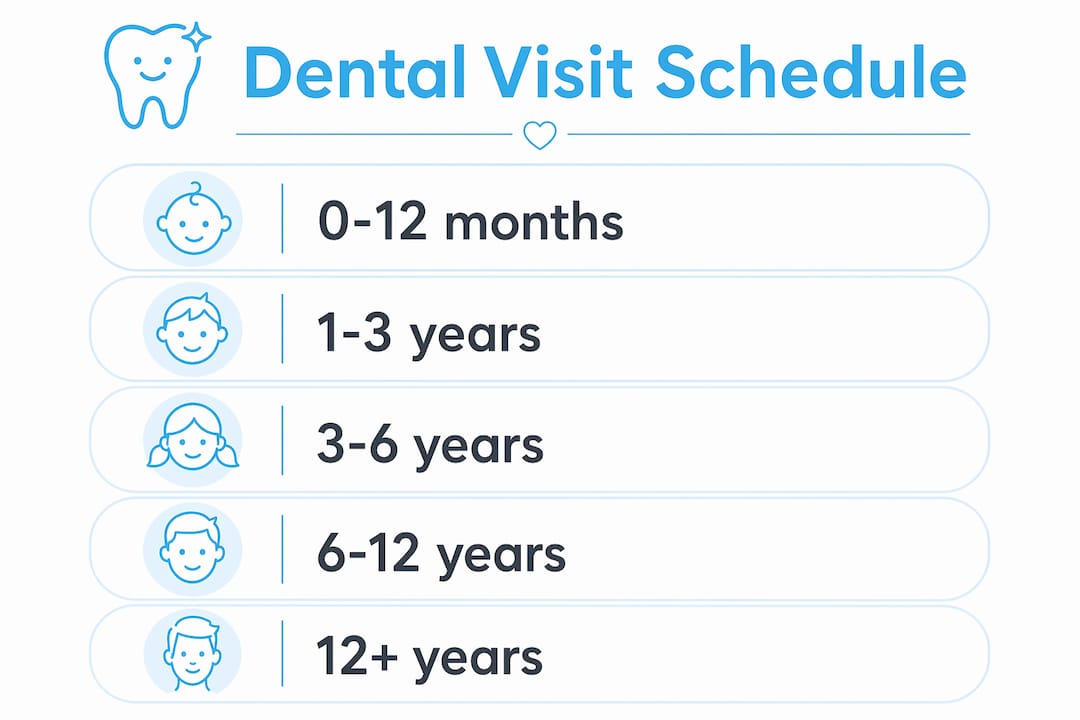
Pediatric dental visits change in focus as your child grows. The table below outlines what to expect at each stage, from the first infant exam through the adolescent years.
| Age stage | Visit focus | Key treatments |
|---|---|---|
| 0–12 months | Initial oral assessment, parent education | Feeding guidance, oral hygiene instruction, first tooth check |
| 1–3 years | Decay prevention, habit monitoring | Fluoride varnish, pacifier and thumb-sucking counselling |
| 3–5 years | Behaviour support, early cavity detection | Prophylaxis, fluoride, X-rays if clinically needed |
| 6–12 years | Sealants, orthodontic screening | Sealant application, space maintainers, bite assessment |
| 13–18 years | Wisdom teeth, sports protection, lifestyle | Monitoring third molars, mouthguards, counselling on diet and hygiene |
Every six months remains the standard visit frequency throughout childhood. Some children with higher decay risk may benefit from visits every three to four months. Your dental team will recommend the right schedule based on your child’s specific needs, not a one-size-fits-all approach.
Pediatric dental care at Healthysmiledentalhygiene in Orangeville
Healthysmiledentalhygiene in Orangeville offers family-focused dental care in a welcoming, comfortable setting that children and parents genuinely enjoy. The team understands that a child’s first few dental experiences shape how they feel about oral health for life. Every appointment is designed to be calm, clear, and positive.

Whether your child is due for their first visit or needs ongoing preventive care, the Orangeville team is ready to help. Healthysmiledentalhygiene provides family dental services that cover everything from infant oral exams to adolescent checkups, all under one roof. You can also explore dental insurance guidance to understand how to make the most of your family’s coverage. Book a visit with the Orangeville team and give your child the healthy start their smile deserves.
Key takeaways
Pediatric dental care, starting within six months of the first tooth, is the most effective way to prevent early childhood caries and build lifelong oral health habits.
| Point | Details |
|---|---|
| Start visits early | Schedule the first dental appointment by age one or within six months of the first tooth. |
| Exams are gentle and educational | A 30–45 minute visit focuses on comfort, cleaning, and parent guidance, not invasive procedures. |
| ECC is preventable | Fluoride varnish, sealants, and diet counselling are the most effective tools against early childhood decay. |
| Choose a qualified clinic | Look for paediatric residency training, child-scaled equipment, and a preventive-first approach. |
| Visits evolve with your child | The focus shifts from infant education to orthodontic screening and adolescent counselling as children grow. |
FAQ
When should my child have their first dental visit?
The first dental visit should happen within six months of the first tooth appearing or by age one. After that, visits every six months keep development on track.
What does a pediatric dental exam include?
A pediatric dental exam includes an oral health check, gentle cleaning, growth monitoring, and parent education on home care. X-rays are only taken when clinically necessary.
What is early childhood caries and how is it prevented?
Early childhood caries is decay in primary teeth in children under age six. Fluoride varnish, dental sealants, and reducing sugary drink exposure are the most effective prevention strategies.
How do I choose a child-friendly dental clinic?
Look for a dentist with paediatric residency training, child-scaled equipment, a positive behaviour management approach, and a clear focus on prevention over reactive treatment.
How often should children see a dentist?
Most children benefit from dental visits every six months. Children with a higher risk of decay may need appointments every three to four months, as recommended by their dental team.
Recommended
- Role of first dental visit: a parent’s guide
- How to Protect Your Child’s Shiny and Beautiful Smile – Healthy Smile Dental Hygiene
- Schedule family dental appointments: Orangeville parent guide
- Unlocking the Secrets to Healthy Smiles: How Often Should Your Family Really See the Dentist? – Healthy Smile Dental Hygiene | Dentist Brampton | Invisilign