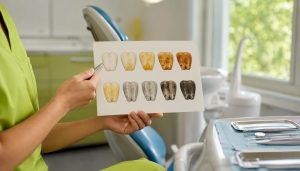
Most patients recover from a tooth filling within a few hours to a few days. The single most important first step: wait until the local anaesthetic has fully worn off before chewing on the treated side.
First 24 hours: what to do right away
- Keep your tongue and fingers away from the numb area.
- Eat only on the opposite side of your mouth until feeling returns fully.
- Take acetaminophen or ibuprofen as directed on the package if you feel soreness once the numbness fades.
- Rinse gently with warm salt water after meals.
- Avoid very hot, cold, hard, or sticky foods for the rest of the day.
Red flag: If you experience throbbing pain, visible swelling, or a fever at any point, call your dentist the same day.
Table of Contents
- What you’ll notice in the first hours after a filling
- How to manage pain and sensitivity safely at home
- When can you eat, and what should you choose?
- What does a typical recovery timeline look like?
- Problems that sometimes happen after a filling — and what to do
- Keeping your filling healthy over the long term
- Advice from the team at Healthy Smile Dental Hygiene in Orangeville
- Key takeaways
- Healthy Smile Dental Hygiene is here for your recovery
- Useful sources and further reading
- FAQ
What you’ll notice in the first hours after a filling
Local anaesthetic typically lasts one to three hours after your appointment ends, though deeper or larger fillings may require a stronger dose that lingers a bit longer. During this window, your lip, cheek, or tongue may feel thick and unresponsive. Chewing while numb is genuinely risky: you can bite your cheek or tongue without realising it, causing a painful sore that takes days to heal.

Once feeling returns, mild jaw soreness is normal. Your mouth was held open for a period, and the muscles around the joint can feel stiff. Brief sensitivity to cold or heat is also common as the tooth settles. The surface of a new composite filling can feel slightly rough at first; that usually smooths out within a day or two as your bite naturally polishes it.
Parents should watch children closely after a filling appointment. Kids are more likely to chew on a numb lip out of curiosity, which can cause a noticeable injury. Keeping them on soft foods and reminding them gently is all it takes.
How to manage pain and sensitivity safely at home
Mild discomfort after a filling is normal, and most patients manage it well with a few straightforward measures.
Step-by-step home care:
- Pain relievers: Acetaminophen (Tylenol) or ibuprofen (Advil, Motrin) taken at the recommended dose on the package label are the first line of relief. Ibuprofen has a mild anti-inflammatory effect that can be helpful for jaw soreness. Never exceed the stated dose, and avoid combining the two without guidance from a pharmacist.
- Ice pack for jaw soreness: A cloth-wrapped ice pack held against the outside of your jaw for 10–15 minutes can reduce muscle aching, especially if your appointment was lengthy.
- Warm salt-water rinse: Dissolve half a teaspoon of table salt in a glass of warm water and rinse gently. This soothes soft tissue irritation around the filled tooth.
- Desensitizing toothpaste: Products containing potassium nitrate or stannous fluoride (such as Sensodyne or Colgate Sensitive) help calm nerve responses in sensitive teeth. Apply the paste directly to the sensitive spot with your fingertip and leave it for a minute before rinsing, rather than brushing it away immediately. Consistent use over several weeks produces the best results.
- Avoid temperature extremes: Skip very cold drinks and hot soups for the first day or two. Cold air through an open mouth can also trigger a sharp twinge, so breathe through your nose when you’re outside in cooler weather.
Pro Tip: Apply desensitizing toothpaste at bedtime so it sits on the tooth surface overnight without being rinsed away. This is one of the most effective ways to accelerate relief from post-filling sensitivity.
When can you eat, and what should you choose?
Timing depends on the type of filling you received. Composite resin fillings cure instantly under a curing light, so you can eat as soon as the anaesthetic wears off. Amalgam (silver) fillings are different: the material continues to harden for a period after placement, so dentists recommend waiting before chewing on that side.

Temporary fillings, placed while you wait for a crown or while a tooth is being monitored, are the most fragile. Treat them gently and avoid anything hard or sticky until your permanent restoration is placed.
| Filling type | When you can chew on that side | Notes |
|---|---|---|
| Composite (tooth-coloured resin) | Once numbness fades (usually 1–3 hours) | Avoid hard or sticky foods for 24 hours |
| Amalgam (silver/metal) | After 24 hours | Material continues to set; avoid pressure |
| Temporary filling | Avoid until replaced | Very fragile; sticky foods can pull it out |
Good food choices for the first 24–48 hours: yogurt, mashed potatoes, scrambled eggs, lukewarm soup, soft bread, bananas, and oatmeal. Avoid hard, crunchy, or sticky items which can crack or dislodge a new restoration.
Chewing on the opposite side, taking small bites, and keeping your mouth closed to avoid cold air are simple habits that protect the filling while it settles.
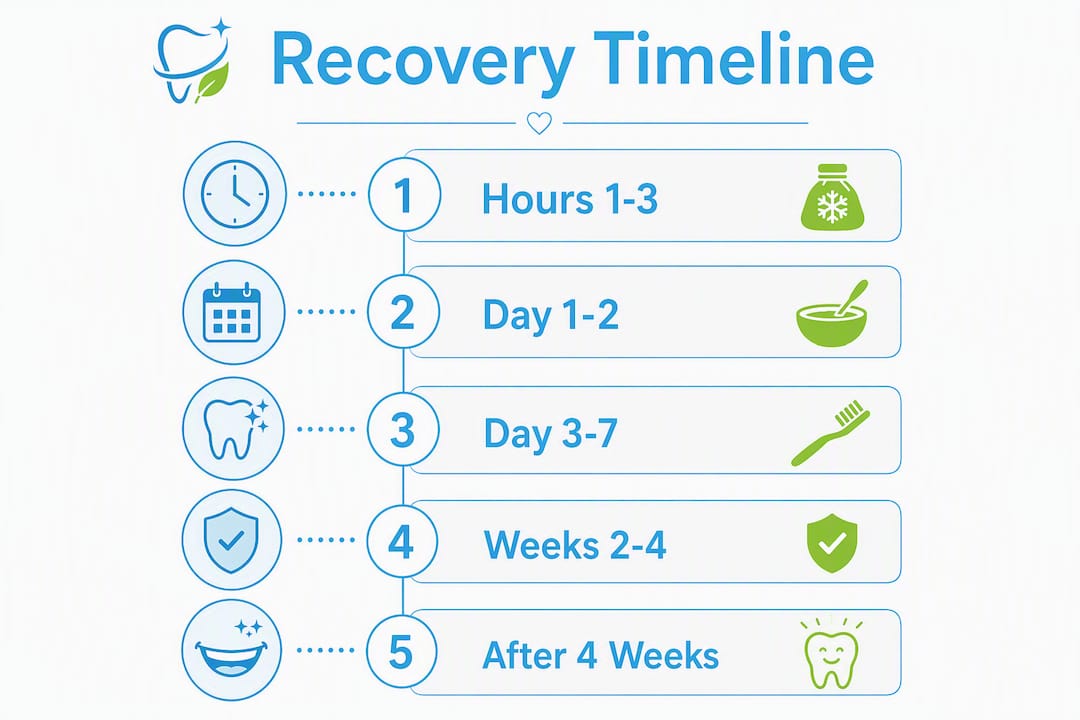
What does a typical recovery timeline look like?
Recovery after a filling follows a fairly predictable pattern, though deeper cavities take longer to settle.
Initially, numbness fades and mild soreness begins, with common sensitivity to cold or pressure. Over the following days, soreness and sensitivity gradually improve. Most patients notice steady sensitivity improvement over a few weeks. If sensitivity persists much longer, professional evaluation is warranted to check for possible complications such as nerve inflammation, bite issues, or cracks.
| Timeframe | What’s normal | When to act |
|---|---|---|
| First few hours | Numbness, mild soreness | Avoid chewing on treated side |
| 1–3 days | Sensitivity to cold/pressure, jaw aching | OTC pain relief, soft foods |
| a few weeks | Gradual improvement in sensitivity | Monitor; contact dentist if worsening |
| sensitivity beyond four weeks | Sensitivity should be resolved | Book a reassessment appointment |
Normal post-filling sensitivity is triggered by something specific (cold water, biting pressure), feels sharp and brief, and gets better day by day. Pain that is spontaneous, throbbing, or waking you at night is a different signal entirely.
Problems that sometimes happen after a filling — and what to do
Most post-filling discomfort resolves on its own. A few situations need prompt attention.
Red flags to watch for:
- Bite feels “high” or uneven: The most common post-filling complaint. If your teeth don’t meet naturally, or one spot feels like it’s hitting too hard, you likely need a small occlusal (bite) adjustment. Marking paper identifies the high contact and a brief polish resolves it in minutes. Call your dentist within a day or two rather than waiting.
- Throbbing pain or pain that wakes you at night: This suggests the nerve may be inflamed. It needs professional assessment, not just pain relievers.
- Swelling in the gum, cheek, or jaw: A sign of possible infection. Contact your dentist the same day.
- Fever or a bad taste in your mouth: Both can indicate an abscess forming. Seek care promptly.
- Filling feels cracked or has a sharp edge: Avoid chewing on that side and book a repair appointment.
If you’re unsure whether your symptoms are urgent, the guide on signs you should see an emergency dentist can help you decide quickly.
What you can do at home while you wait: Take OTC pain relief at the recommended dose, rinse with warm salt water, and eat only on the opposite side. These steps manage discomfort but do not replace a dental visit for the red flags above.
Keeping your filling healthy over the long term
A well-placed filling can last many years with the right daily habits.
Daily oral care: Brush twice a day with a soft-bristled toothbrush and fluoride toothpaste, angling the bristles toward the gumline. Floss once daily, sliding the floss gently around the filled tooth rather than snapping it down hard. Gentle oral hygiene and careful flossing around a new restoration are specifically recommended in post-operative guidance from dental professionals.
Behavioural habits that protect restorations:
- If you grind your teeth at night (bruxism), ask your dentist about a custom night guard. Grinding places enormous pressure on fillings and can crack them over time.
- Limit sugary snacks and acidic drinks, which accelerate decay around the edges of a filling.
- Smoking and vaping slow healing, reduce blood flow to gum tissue, and increase the risk of infection after any dental procedure.
Routine dental hygiene habits and regular check-ups give your dentist the chance to catch small issues — a worn filling edge, early secondary decay — before they become larger problems. A bite check at your next routine appointment is a simple way to confirm the restoration is still sitting correctly.
Advice from the team at Healthy Smile Dental Hygiene in Orangeville
The Canadian Dental Association encourages patients and clinicians to discuss filling materials, aftercare expectations, and follow-up together. At Healthysmiledentalhygiene in Orangeville, that conversation doesn’t end when you leave the chair.
What our team can help with after a filling:
- Same-day bite adjustment: If your bite feels off after a filling, a quick occlusal check usually takes under 10 minutes and provides immediate relief.
- Sensitivity assessment: Persistent sensitivity beyond the expected window gets a proper clinical evaluation, not just reassurance.
- Replacement of failing restorations: Cracked, worn, or leaking fillings can be replaced before they allow decay to progress.
- Routine restorative care: From small composite fillings to more complex restorations, our team supports patients of all ages across Orangeville and Dufferin County.
If you call or book online, our team will triage your concern and let you know whether you need a same-day appointment or a scheduled follow-up. For a high bite or sharp edge, a short appointment is usually all that’s needed. Swelling or signs of infection are treated as urgent. You won’t be left guessing about what to do next.
For patients who want to understand their options for treating tooth sensitivity or explore restorative care in Orangeville, our team is ready to help.
Key takeaways
Most patients recover from a tooth filling within a few days; sensitivity beyond four weeks needs professional evaluation.
| Point | Details |
|---|---|
| Wait before chewing | Avoid the treated side until numbness fully fades; composite fillings are ready sooner than amalgam. |
| Manage sensitivity at home | Use OTC pain relief, warm salt-water rinses, and desensitizing toothpaste applied directly to the tooth. |
| Know the normal timeline | Mild soreness and sensitivity are expected for a few weeks; improvement should be steady day by day. |
| Act on red flags promptly | Throbbing pain, swelling, fever, or a bad taste needs same-day dental attention. |
| Healthysmiledentalhygiene | The Orangeville team offers same-day bite adjustments, sensitivity assessments, and restorative follow-up care. |
Healthy Smile Dental Hygiene is here for your recovery

Recovering from a filling is straightforward for most patients, but knowing a trusted local team is available makes the process much less stressful. At Healthysmiledentalhygiene in Orangeville, we offer family-focused restorative care with a genuine focus on comfort. Whether you need a quick bite adjustment the day after your filling, a sensitivity check a week later, or a full restorative consultation, our team fits your needs without making you feel rushed.
If you’re wondering about dental insurance coverage for follow-up appointments or restorative work, our team can walk you through your options. Families and individuals across Orangeville and Dufferin County are welcome. Book a visit through our services page or call us directly — we’re happy to answer questions before you even book an appointment.
Useful sources and further reading
Trusted resources used in preparing this guide:
- Fillings overview — Canadian Dental Association: authoritative guidance on filling materials and shared patient-clinician decision-making.
- Healthy Smile Dental Hygiene — Orangeville services: local restorative and preventive care for Orangeville and Dufferin County patients.
For severe pain, swelling, or fever, contact your dentist or an urgent dental clinic the same day rather than consulting online resources. For general aftercare questions, the CDA and Atlas Dental resources above are reliable starting points. If you’re local to Orangeville, our team at Healthysmiledentalhygiene is always glad to help.
This article provides general oral health information and is not a substitute for professional dental advice. Please consult your dental team for guidance specific to your situation.
FAQ
How long does numbness last after a tooth filling?
Local anaesthetic typically wears off within one to three hours after your appointment. Avoid chewing on the treated side until full feeling has returned to prevent accidentally biting your cheek or tongue.
What should you not do after a tooth filling?
Avoid chewing on the filled tooth while numb, eating hard or sticky foods for at least 24 hours, and smoking or drinking alcohol, which can slow healing. For amalgam fillings, wait a full 24 hours before chewing on that side.
How long does it take for a tooth to feel normal after a filling?
Most patients notice steady improvement within one to three weeks. Sensitivity that persists beyond four weeks is worth discussing with your dentist, as it may indicate a bite issue or nerve inflammation.
Is there any downside to getting a filling?
Fillings are generally safe and effective, but some patients experience temporary sensitivity to temperature or pressure for a few weeks afterward. Rarely, a filling may sit slightly high on the bite, requiring a quick adjustment at your dental office.
When should I call my dentist after a filling?
Call the same day if you have throbbing pain, swelling, a fever, or a bad taste in your mouth. A bite that feels uneven is also worth a prompt call, as a simple bite adjustment usually resolves it quickly.