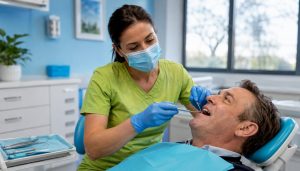
Nutrition is the foundation of strong teeth and healthy gums. The role of nutrition in dental health is direct: the foods and drinks you consume every day either protect your teeth or put them at risk. Calcium builds enamel, vitamins support gum tissue, and sugar feeds the bacteria that cause decay. Canadian families who understand these connections are better equipped to make choices that keep smiles healthy for life. This guide covers the key nutrients, habits, and life stages that shape your oral health, with practical advice from the team at Healthysmiledentalhygiene in Orangeville.
How do sugars and fermentable carbohydrates affect dental health?
Sugar is the primary nutritional risk factor for dental decay. When you eat sugary or starchy foods, bacteria in your mouth feed on those sugars and produce acid. That acid attacks tooth enamel and causes cavities.
The acid does not disappear the moment you swallow. Saliva pH drops for up to 20 minutes after eating, leaving enamel vulnerable during that window. Every time you snack, you restart that 20-minute acid clock. Frequent snacking throughout the day means your teeth spend more time under acid attack than they do recovering.
The World Health Organization recommends limiting free sugar intake to under 10% of daily energy, and ideally under 5%. For a typical adult consuming 2,000 calories per day, 5% equals roughly 25 grams of sugar. Most packaged snacks, sweetened beverages, and fruit juices exceed that in a single serving.
Children face a specific risk from juice. Even 100% fruit juice contains free sugars that feed oral bacteria. Limiting juice and offering water instead is one of the most effective dietary changes a parent can make for a child’s teeth.
- Candy, cookies, and chips all contain fermentable carbohydrates that fuel acid production.
- Sticky foods like dried fruit cling to enamel and extend acid exposure.
- Carbonated drinks add both sugar and acidity, creating a double attack on enamel.
- Sports drinks are often as acidic as soft drinks, even when marketed as healthy.
Pro Tip: After a sugary meal or snack, rinse your mouth with water or finish with a small piece of cheese. Cheese neutralises acid and helps protect enamel until your next brushing.
What nutrients and foods protect teeth and gums?
Protective nutrition for teeth centres on calcium, phosphorus, and key vitamins. These nutrients work together to remineralise enamel, support gum tissue, and keep the structures around your teeth strong.

Calcium-rich foods like milk, cheese, and plain yogurt promote enamel remineralisation. Finishing a meal with cheese or a small handful of nuts is particularly effective because these foods neutralise acid and help restore minerals to the enamel surface within about 20 minutes of eating.
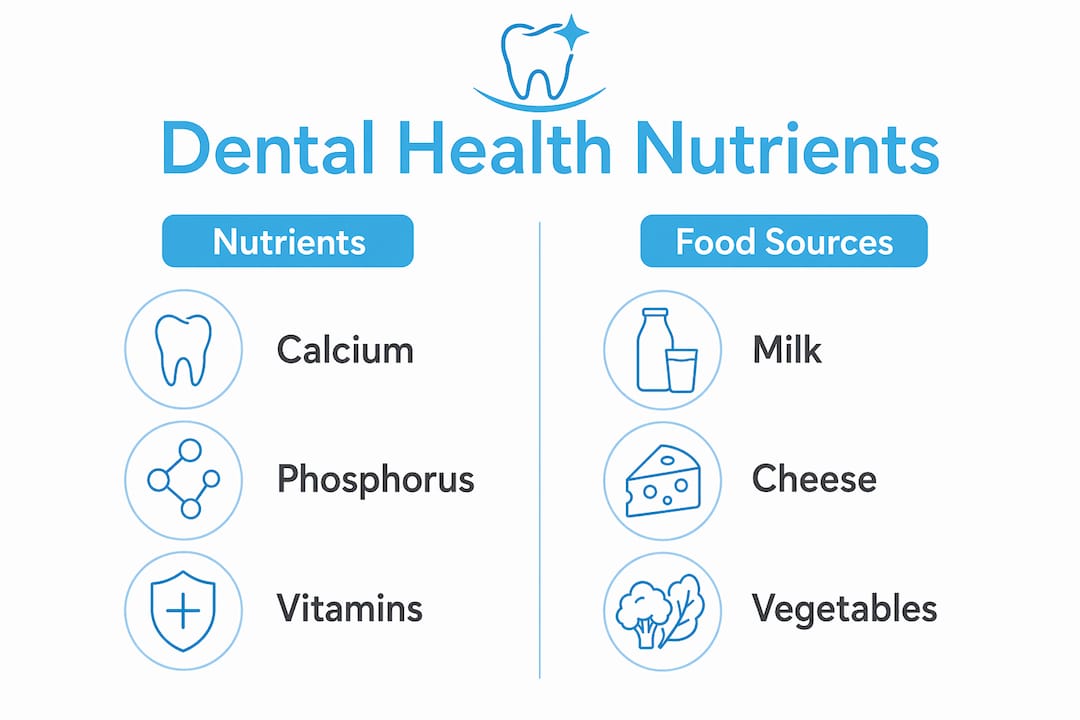
Vitamins A, C, D, and folic acid are essential for healthy gums and oral tissue. Vitamin D deficiency is linked to higher rates of dental caries. Vitamin C supports the connective tissue in your gums, and a deficiency can lead to bleeding and inflammation. Folic acid supports cell repair throughout the mouth.
Fresh vegetables, whole grains, and high-quality protein round out a diet that supports oral health. Crunchy vegetables like carrots and celery stimulate saliva flow, which naturally washes away food particles and buffers acid. Whole grains provide fibre and nutrients without the rapid sugar spike of refined carbohydrates.
Xylitol-containing products such as sugar-free gum increase salivary flow and reduce the levels of harmful bacteria in the mouth. Chewing xylitol gum after meals is a practical, research-backed strategy for reducing cavity risk between brushings.
| Nutrient | Key food sources | Oral health benefit |
|---|---|---|
| Calcium | Milk, cheese, yogurt, almonds | Remineralises and strengthens enamel |
| Vitamin D | Fatty fish, fortified milk, sunlight | Supports calcium absorption and reduces caries risk |
| Vitamin C | Citrus, bell peppers, strawberries | Maintains gum tissue and prevents inflammation |
| Vitamin A | Carrots, sweet potato, leafy greens | Supports saliva production and mucosal health |
| Folic acid | Legumes, leafy greens, fortified grains | Promotes cell repair in gum tissue |
| Phosphorus | Meat, eggs, dairy, nuts | Works with calcium to rebuild enamel |
Pro Tip: Pair calcium-rich foods with vitamin D sources at the same meal. Your body absorbs calcium far more effectively when vitamin D is present, making the combination more powerful for your teeth than either nutrient alone.
Explore healthy snack ideas for kids that put these protective nutrients to work in practical, family-friendly ways.
How do eating habits and timing influence dental health?
What you eat matters, and so does when and how often you eat it. Eating patterns shape the amount of acid exposure your teeth experience each day.
- Limit snacking to set times. Every snack triggers a new acid cycle. Keeping snacks to two planned times per day reduces the number of acid attacks on your enamel.
- Drink water between meals. Water rinses away food particles and helps restore a neutral pH in your mouth. Fluoridated tap water provides an added layer of protection.
- Finish meals with protective foods. Ending a meal with cheese, plain yogurt, or raw vegetables helps neutralise acid before you brush.
- Wait before brushing. Enamel is temporarily softened by acid after eating. Brushing immediately can abrade softened enamel. Wait at least 30 minutes, or rinse with water first.
- Brush twice daily, morning and night. Brushing in the morning removes overnight bacterial build-up, and brushing at night removes the day’s accumulation before sleep.
One risk that many families overlook is the sugar content in liquid medications. Child and adult liquid medications often contain significant amounts of sugar to improve taste. Rinsing the mouth with water after taking liquid medication reduces the decay risk, yet this step is rarely mentioned on packaging.
Teenagers face a particular challenge. Popular beverages among teens, including energy drinks, flavoured coffees, and bubble tea, combine high sugar with high acidity. Regular consumption of these drinks without rinsing or brushing creates sustained acid exposure that can cause visible enamel erosion within months.
Pro Tip: Keep a glass of water at the dinner table and encourage everyone to sip throughout the meal. It is one of the simplest habits that supports good oral hygiene without requiring any extra effort.
What role does nutrition play at different life stages?
Nutritional needs for dental health shift significantly across a lifetime. Understanding these changes helps families make targeted choices at every stage.
Pregnancy and early childhood
Maternal nutrition directly shapes a baby’s tooth development. A pregnant person’s intake of calcium, vitamin D, and folic acid influences the mineralisation of the baby’s primary teeth, which begin forming in the first trimester. Vitamins and folic acid during pregnancy support not only the baby’s oral development but also the parent’s gum health, which is especially important because pregnancy hormones increase the risk of gum inflammation.
- Calcium and vitamin D intake during pregnancy supports the mineralisation of the baby’s forming teeth.
- Folic acid reduces the risk of oral clefts and supports gum tissue repair.
- Gum disease risk rises during pregnancy due to hormonal changes; a diet rich in vitamin C helps counteract inflammation.
- Introducing a variety of vegetables and whole foods early in a child’s life builds lasting dietary habits that protect teeth.
Childhood and adolescence
Children and teenagers are at high risk for cavities because their diets often include more sugar and their brushing habits are less consistent. School-age children who eat sugary snacks frequently throughout the day face compounding acid exposure. Adolescents who rely on energy drinks or sweetened coffee face enamel erosion on top of cavity risk.
Parents can protect their children’s teeth by choosing dentist-approved snacks and modelling good eating habits at home. Limiting juice from infancy and offering water as the default drink sets a foundation that carries through to adulthood.
Adulthood and older age
As adults age, saliva flow naturally decreases. Saliva is a critical defence against decay because it buffers acid and washes away bacteria. Adults on multiple medications often experience dry mouth as a side effect, which further reduces this protection. Prioritising hydration and calcium-rich foods becomes more important with age, not less.
Combining good nutrition with fluoridated water and regular professional dental care forms the most effective approach to preventing decay across all adult life stages. No single habit works in isolation.
Nutrition and dental care at Healthysmiledentalhygiene in Orangeville
Good nutrition protects your teeth every day, and professional care reinforces that protection where diet alone cannot reach.

At Healthysmiledentalhygiene in Orangeville, our dental hygiene team provides professional dental cleanings that remove built-up plaque and tartar that dietary acids and bacteria leave behind. During your visit, our hygienists can discuss your diet and identify any nutritional patterns that may be affecting your oral health. We work with patients of all ages, from young children to seniors, and we take the time to make every visit comfortable and welcoming. If you have questions about how your family’s diet is affecting your smiles, our Orangeville team is here to help. Book a visit and let us support your family’s oral health with personalised, caring guidance.
FAQ
What is the biggest nutritional risk for dental health?
Sugar is the primary dietary risk factor for tooth decay. Oral bacteria feed on sugar and produce acid that erodes enamel, with acid exposure lasting up to 20 minutes after each sugary food or drink.
Which vitamins are most important for healthy teeth and gums?
Vitamins A, C, D, and folic acid are the most important for oral health. Vitamin D supports enamel mineralisation, vitamin C maintains gum tissue, and folic acid promotes cell repair throughout the mouth.
Should I brush my teeth right after eating?
Brushing immediately after eating is not recommended. Enamel is temporarily softened by dietary acid, so waiting at least 30 minutes or rinsing with water first reduces the risk of abrading the enamel surface.
Are liquid medications a concern for dental health?
Yes. Many liquid medications contain added sugar that can contribute to tooth decay. Rinsing your mouth with water after taking liquid medication is a simple step that reduces this risk.
How does nutrition affect children’s teeth differently than adults?
Children’s teeth are still developing, making adequate calcium, vitamin D, and folic acid especially critical. Frequent sugary snacking in childhood creates compounding acid exposure that accelerates cavity formation in primary and permanent teeth.
Key takeaways
Nutrition directly determines tooth strength and gum health, making diet one of the most powerful tools in preventing decay and gum disease across every life stage.
| Point | Details |
|---|---|
| Sugar drives decay | Oral bacteria convert sugar into acid that attacks enamel for up to 20 minutes per exposure. |
| Calcium and vitamins protect teeth | Foods rich in calcium, vitamin D, and vitamin C remineralise enamel and maintain healthy gum tissue. |
| Eating timing matters | Frequent snacking extends daily acid exposure; limiting snacks to set times reduces cavity risk. |
| Life stage needs vary | Pregnancy, childhood, and older age each bring specific nutritional priorities that affect oral health. |
| Professional care completes the picture | Combining a protective diet with regular dental cleanings provides the most effective defence against decay. |
Recommended
- Unlocking the Secrets to Healthy Smiles: How Often Should Your Family Really See the Dentist? – Healthy Smile Dental Hygiene | Dentist Brampton | Invisilign
- Types of family dental services: your 2026 guide
- Navigating Dental Insurance: Maximizing Benefits for Family Dental Care – Healthy Smile Dental Hygiene | Dentist Brampton | Invisilign
- Oral Health – Healthy Smile Dental Hygiene | Dentist Orangeville | Invisilign