Dental health is a direct driver of personal confidence, not just a matter of physical wellness. Research published in 2026 shows a moderate positive correlation (r = 0.500) between dental self-confidence and overall self-esteem. That number tells a clear story: how you feel about your teeth shapes how you feel about yourself. The Oral Health Foundation and the World Health Organisation both recognise oral health as inseparable from general wellbeing. At Healthysmiledentalhygiene in Orangeville, Ontario, this connection is something the team sees every day in patients who arrive feeling self-conscious and leave with a renewed sense of ease.
Why dental health affects confidence and self-esteem
The psychological link between your teeth and your sense of self-worth is well established. Negative dental aesthetics correlate with lower self-esteem (r = -0.208), meaning the more you worry about how your teeth look, the less confident you tend to feel overall. That is not a minor effect. It shapes how you carry yourself, how freely you speak, and how willing you are to engage with others.
Social situations amplify this effect. Smiling in photos, laughing openly, or speaking closely with someone all become sources of anxiety when you feel uncertain about your teeth. The Oral Health Foundation’s Smile Month findings confirm that dental insecurities surface most acutely in exactly these everyday moments. The result is a quiet withdrawal from social life that most people do not even consciously recognise.
A confident smile, by contrast, improves approachability and reduces feelings of loneliness. Self-esteem acts as a bridge between good dental aesthetics and fuller social participation. When you feel good about your smile, you smile more freely, and that openness draws people toward you rather than pushing them away.
| Condition | Psychological impact |
|---|---|
| Missing or visibly damaged teeth | Increased shame, social withdrawal, and avoidance of close conversation |
| Chronic bad breath | Persistent self-consciousness, reduced willingness to speak in groups |
| Discolouration or staining | Lower self-rated attractiveness, reluctance to smile in photos |
| Healthy, clean teeth | Greater social comfort, higher self-esteem scores, more open body language |
| Post-treatment restored smile | Significant relief from anxiety, improved mood and social engagement |
Pro Tip: If you notice yourself covering your mouth when you laugh or turning away from cameras, treat that as a signal worth acting on. These small habits are early signs that dental concerns are affecting your confidence.
What dental issues most affect confidence?
Visible problems carry the heaviest psychological weight. Missing teeth, noticeable discolouration, swollen or bleeding gums, and persistent bad breath are the issues patients most commonly cite when describing dental-related self-consciousness. Each one affects confidence differently, but all share a common thread: they make you feel exposed in social settings.
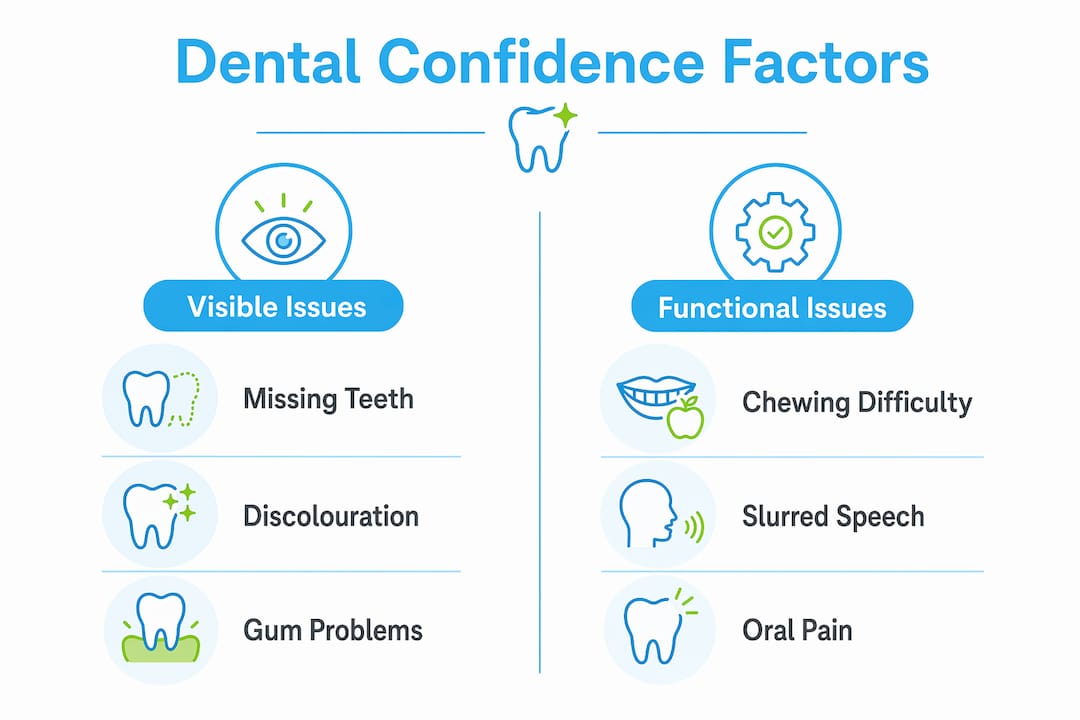
Functional problems add another layer. Difficulty chewing, slurred speech caused by missing teeth, or pain when eating all draw unwanted attention to your mouth. These issues force you to think about your teeth constantly, which keeps self-consciousness at the surface rather than fading into the background.
The subtler behavioural shifts are the ones that do the most long-term damage. Research shows that many people silently adapt their behaviour to hide dental issues, covering their mouth when speaking, avoiding social events, or declining to eat in public. These adaptations erode confidence gradually and unconsciously over time.
Common dental issues that reduce confidence include:
- Missing teeth: Gaps change the appearance of your smile and can affect speech clarity.
- Tooth discolouration: Staining from coffee, tea, or tobacco is one of the most frequently reported sources of dental embarrassment.
- Gum disease: Visible inflammation and bleeding gums signal poor oral health to others, increasing shame.
- Bad breath (halitosis): Persistent bad breath is a leading cause of social avoidance and reduced willingness to speak closely with others.
- Chipped or cracked teeth: Even small chips draw the eye and can make patients reluctant to smile fully.
Pro Tip: Address small dental concerns early. A minor chip or early-stage staining is far easier and less costly to treat than a problem left to worsen over months or years.
How good oral hygiene supports a positive self-image
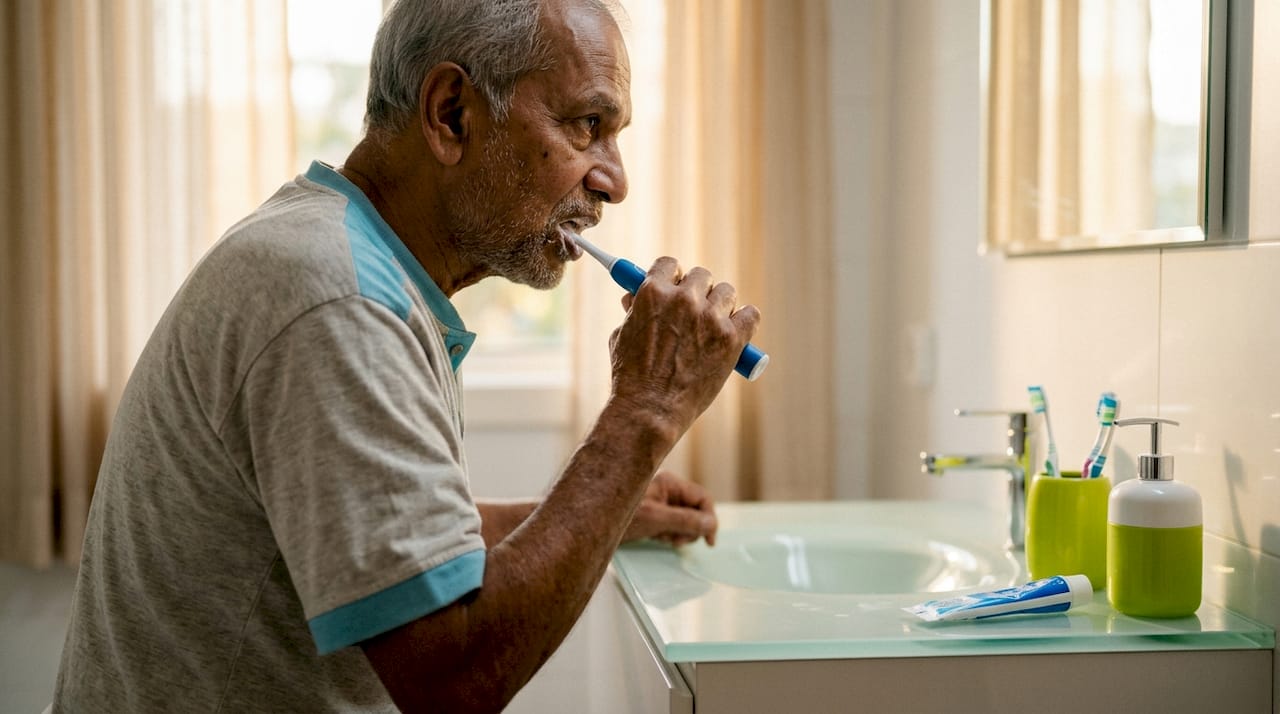
Consistent oral hygiene is the foundation of dental confidence. Regular flossing and mouthwash directly reduce the triggers for self-consciousness, particularly bad breath and gum inflammation. These are not just health habits. They are confidence habits.
Routine dental check-ups reinforce this effect. Frequent dental visits correlate with better self-image scores and greater social comfort. Knowing that a professional has assessed and cleaned your teeth gives you a baseline of reassurance that daily brushing alone cannot provide. You leave the chair feeling fresher and more certain about your oral health.
Preventive care also protects against the confidence-damaging problems that arise when small issues go untreated. A cavity caught early does not become a visible crack. Early gum disease treated promptly does not become visible recession. The importance of regular dental visits is not just clinical. It is psychological.
A practical daily and periodic oral hygiene routine recommended by dental authorities includes:
- Brush twice daily for two minutes using a fluoride toothpaste, paying attention to the gum line.
- Floss once daily to remove plaque and food debris between teeth where a brush cannot reach.
- Use an antibacterial mouthwash to reduce bacteria that cause bad breath and gum inflammation.
- Stay hydrated throughout the day. A dry mouth accelerates bacterial growth and worsens bad breath.
- Book a professional cleaning every six months. Scaling and polishing remove calculus that home care cannot address.
- Ask your hygienist about oral hygiene tips tailored to your specific needs at each visit.
Pro Tip: Swap your manual toothbrush for an electric one. Clinical evidence consistently shows electric brushes remove more plaque, which means cleaner teeth and fresher breath with less effort.
How a healthy smile affects mood and social confidence
The biological effects of smiling are real and measurable. A genuine smile triggers endorphin release, improving mood and reducing anxiety. This means that when you feel confident enough to smile freely, the act of smiling itself reinforces that confidence. It is a positive cycle that begins with feeling good about your teeth.
Restorative dental treatments can produce what practitioners describe as life-changing results. Patients who receive treatment for missing teeth, severe discolouration, or damaged enamel consistently report significant relief from social anxiety and a renewed willingness to engage in everyday situations they had previously avoided.
The emotional burden of poor dental health is not equally distributed. Research confirms that women face disproportionately higher social pressure regarding dental aesthetics, making the psychological impact of dental problems more acute for them. Societal expectations around appearance mean that dental concerns carry a heavier emotional weight for many women, and restorative treatments provide correspondingly greater psychological relief.
“Poor dental health causes social withdrawal and feelings of shame. Restorative treatments provide significant psychological relief, particularly for women navigating heightened societal pressures around appearance. Addressing dental health is both a cosmetic and physiological act of self-care.”
Teeth whitening is one of the most accessible entry points into cosmetic dental care. Understanding why whitening is popular goes beyond vanity. It reflects a genuine desire to feel more comfortable in social settings and to present oneself with confidence.
Practical steps for improving confidence through dental care
Starting is simpler than most people expect. The first step is booking a professional assessment with a dental hygienist who can identify the specific issues affecting your smile and your confidence. You do not need to know what treatment you want before you arrive. A good hygienist will walk you through your options clearly and without pressure.
Treatment options available in Orangeville cover a wide range. Professional cleaning removes the surface staining and calculus that dulls your smile. Teeth whitening addresses deeper discolouration. Cosmetic procedures such as bonding, veneers, and aesthetic dentistry options can correct chips, gaps, and alignment concerns. Restorative treatments including crowns, bridges, and implants address missing or severely damaged teeth.
Psychological support alongside clinical treatment matters. Some patients benefit from speaking with a counsellor about the social anxiety that has built up around their dental concerns. Treating the emotional impact alongside the physical one produces better long-term outcomes.
Steps to take right now:
- Book a dental hygiene assessment to get a clear picture of your current oral health.
- Ask about cosmetic options at your next visit. Many are more affordable than patients assume.
- Follow through on preventive care between appointments to protect the results of any treatment.
- Be honest with your hygienist about what bothers you. The more specific you are, the more targeted the care you receive.
Key takeaways
Dental health directly shapes confidence because the way you feel about your smile determines how freely you engage in social life, and that effect is supported by measurable correlations between dental aesthetics and self-esteem.
| Point | Details |
|---|---|
| Dental health and self-esteem are linked | Research shows a correlation of r = 0.500 between dental self-confidence and overall self-esteem. |
| Visible dental problems reduce social comfort | Missing teeth, bad breath, and discolouration are the most common triggers for social withdrawal. |
| Daily hygiene habits build confidence | Flossing, mouthwash, and regular professional cleanings reduce the triggers for self-consciousness. |
| Restorative treatment provides real relief | Patients who address dental concerns report significant reductions in social anxiety and shame. |
| Women face higher aesthetic pressure | The emotional burden of dental problems is disproportionately higher for women due to societal expectations. |
Dental care and confidence at Healthysmiledentalhygiene
Healthysmiledentalhygiene in Orangeville offers the full range of preventive, cosmetic, and restorative services that help patients feel genuinely comfortable in their own skin. From professional dental cleaning that removes years of surface build-up to teeth whitening and restorative options for more complex concerns, the team focuses on patient comfort and honest guidance at every visit.

The Orangeville team understands that dental anxiety is real and that many patients arrive carrying years of self-consciousness about their smile. Every appointment is approached with patience and care, so you can ask questions freely and leave with a clear plan. If you are ready to feel more confident about your smile, booking a visit with Healthysmiledentalhygiene is a straightforward and supportive place to start.
FAQ
Does dental health really affect self-esteem?
Yes. Research shows a positive correlation of r = 0.500 between dental self-confidence and overall self-esteem. How you feel about your teeth directly influences how you feel about yourself in social situations.
What dental problems most damage confidence?
Missing teeth, persistent bad breath, visible discolouration, and gum disease are the most commonly reported sources of dental-related self-consciousness. These issues trigger social avoidance and subtle behavioural changes that erode confidence over time.
Can improving oral hygiene actually boost confidence?
Yes. Regular flossing and mouthwash reduce bad breath and gum inflammation, two of the leading triggers for self-consciousness. Routine professional cleanings reinforce this by improving both the appearance and health of your teeth.
Are cosmetic dental treatments worth it for confidence?
Restorative and cosmetic treatments consistently produce significant psychological relief for patients. Addressing visible dental concerns removes a persistent source of anxiety and allows people to re-engage socially with far greater ease.
How often should I visit a dental hygienist for confidence-related concerns?
A professional cleaning every six months is the standard recommendation. Patients with specific cosmetic or restorative concerns may benefit from more frequent visits until their treatment plan is complete.