Gum disease does spread, and understanding why it happens is the first step toward stopping it. Within the mouth, it progresses through a well-documented chain: bacterial plaque hardens into tartar, inflammation deepens, and the infection moves below the gum line to destroy the tissue and bone that hold your teeth in place. The bacteria responsible can also travel between people through saliva, though developing active disease depends on the individual’s susceptibility. Here is what you need to know:
- Local progression: Gingivitis (surface inflammation) is reversible with good care. Left untreated, it advances to periodontitis, where pockets form and bone is lost.
- Systemic pathways: Oral bacteria and inflammatory signals can enter the bloodstream, creating associations with conditions like heart disease and diabetes.
- Transmission: Periodontal pathogens can pass between family members through saliva, but colonisation alone does not cause disease.
Practical steps to stop the spread, from daily home care to professional scaling and root planing, are covered below. If you are in Orangeville or Dufferin County, our team at Healthysmiledentalhygiene is here to help.
Key takeaways
Gum disease spreads because bacterial biofilm drives a host inflammatory response that destroys bone and tissue, and its pathogens can move between people through saliva, though disease requires a susceptible host.
| Point | Details |
|---|---|
| Biofilm drives local spread | Plaque matures into tartar, shifts to aggressive species, and triggers immune-driven bone loss. |
| Systemic associations are real | Periodontal bacteria can enter the bloodstream; the diabetes link is bi-directional and well-supported. |
| Transmission needs susceptibility | Periodontal pathogens pass through saliva, but colonisation alone does not cause active disease. |
| Risk factors accelerate progression | Smoking, uncontrolled diabetes, dry mouth, and poor hygiene all speed up gum disease spread. |
| Healthysmiledentalhygiene offers local care | The Orangeville team provides periodontal assessments, scaling, and maintenance to stop disease in its tracks. |
Table of Contents
- Why gum disease spreads inside your mouth
- How gum disease can affect the rest of your body
- Is gum disease contagious? What families should know
- What makes gum disease spread faster?
- How quickly does gum disease progress?
- How to stop gum disease from spreading
- Healthysmiledentalhygiene is here for your gum health in Orangeville
- Sources
- FAQ
Why gum disease spreads inside your mouth
The process is gradual, but the damage compounds quickly once it crosses a threshold. It begins with plaque, a sticky film of bacteria that forms on teeth within hours of brushing. When plaque is not removed consistently, it mineralises into tartar (also called calculus), a hard deposit that brushing alone cannot remove. According to Health Canada, tartar can extend below the gum line, where home care cannot reach it and professional scaling becomes necessary.
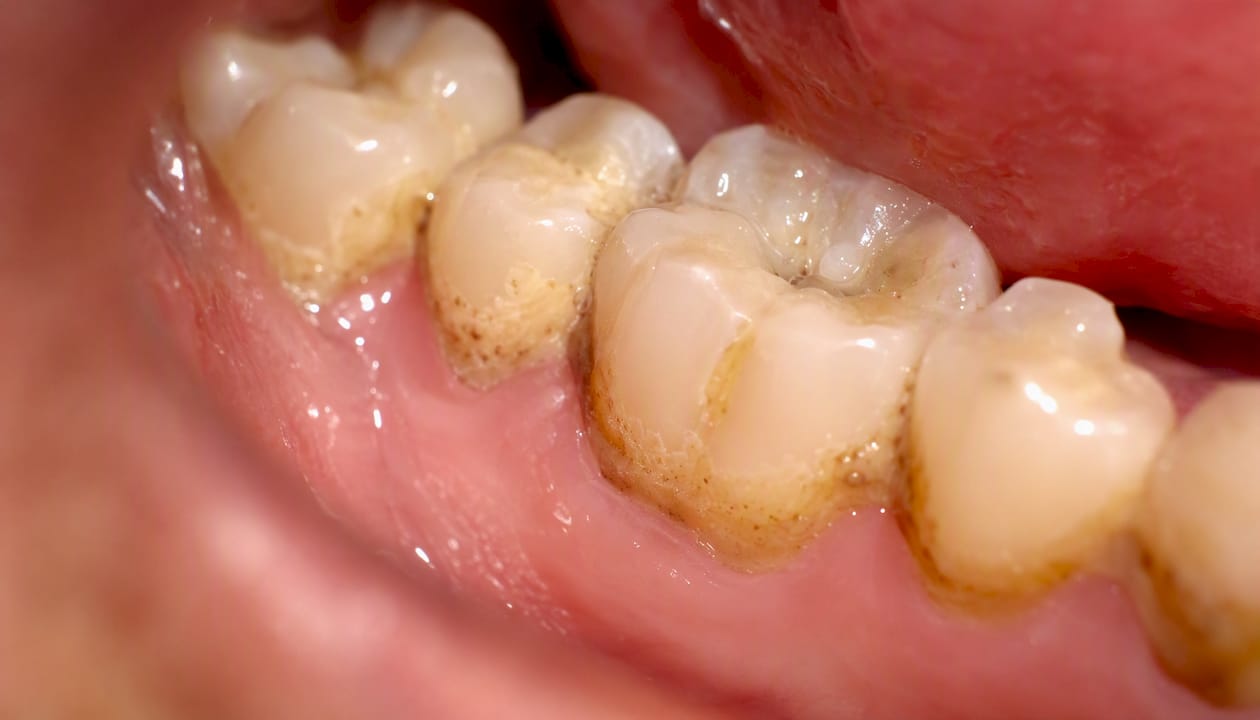
At the gum line, the bacterial community shifts. A healthy mouth hosts a relatively balanced mix of microbes, but as plaque matures, conditions favour more aggressive species. Porphyromonas gingivalis is among the most studied: it carries virulence factors, including fimbriae and enzymes called gingipains, that help it adhere to other microbes, invade tissue, and evade the immune system. Research published in Frontiers in Cellular and Infection Microbiology describes how this biofilm dysbiosis, where harmful species outcompete beneficial ones, is central to how periodontitis develops and spreads within the mouth.
What drives the tissue destruction is not bacteria alone. The body’s own immune response, releasing cytokines such as IL-1, TNF-α, and prostaglandin E2, activates osteoclasts that resorb the alveolar bone supporting your teeth. The Cleveland Clinic notes that untreated periodontitis leads to deepening pockets, connective tissue loss, tooth mobility, and eventual tooth loss. In other words, the immune system trying to fight the infection is also part of what causes the damage.
Pro Tip: Early signs that gingivitis is tipping into periodontitis are easy to miss. Watch for gums that bleed on probing even when they look pale or firm, a change in the contour of the gum margin around a tooth, or the first hint of tooth mobility. These signal pocket deepening, not just surface irritation, and warrant a professional assessment.
How gum disease can affect the rest of your body
The mouth is not a sealed compartment. Oral bacteria and their byproducts can enter the bloodstream, particularly during chewing, brushing, or dental procedures, creating what clinicians call bacteremia. The Canadian Dental Hygienists Association describes the oral cavity as a portal to the body, with transient or chronic bacteremia and circulating inflammatory mediators as plausible routes connecting oral infection to systemic conditions.
The Canadian Dental Association acknowledges this bi-directional relationship with diabetes and recommends collaborative management between dental and medical providers. The key word across all of these associations is association, not proven causation. The evidence is evolving, and major Canadian bodies recommend prevention and disease control rather than waiting for definitive causal proof.
Is gum disease contagious? What families should know
Periodontal bacteria are communicable. They travel in saliva, which means kissing, sharing utensils, or even sharing a water bottle can transfer pathogens like P. gingivalis from one person to another. RDH Magazine summarises the molecular evidence clearly: transmission happens, but colonisation does not guarantee disease. Host susceptibility, shaped by genetics, immune function, oral hygiene, and lifestyle, determines whether transferred bacteria take hold and cause destruction.
So can kissing give you gum disease? Not directly. Receiving periodontal bacteria through saliva raises your exposure, but a healthy immune system and good oral hygiene make active disease unlikely. The greater concern is within households where one member already has active periodontitis and others share risk factors like smoking or uncontrolled diabetes.
Practical steps for families:
- Never share toothbrushes, and replace them every three months.
- Keep up consistent home care for every family member, including children.
- Watch for early signs in kids: bleeding gums, persistent bad breath, or gum swelling.
- Book family dental cleaning visits together so the whole household stays on a prevention schedule.
- If one family member has active periodontitis, discuss household hygiene habits with your dental provider.
What makes gum disease spread faster?
Some factors accelerate progression significantly, and knowing which ones apply to you helps prioritise care.
Modifiable risk factors are the ones you can act on:
- Smoking and tobacco use reduce blood flow to the gums, impair immune response, and mask bleeding, making disease harder to detect early.
- Poor oral hygiene allows plaque to mature into tartar and shift toward more pathogenic species.
- Uncontrolled blood sugar in diabetes creates a two-way problem: high glucose promotes bacterial growth and impairs healing, while active periodontitis makes blood sugar harder to manage.
- Medications that cause dry mouth (certain antihistamines, antidepressants, and blood pressure drugs) reduce saliva flow. Saliva is a natural defence against bacterial overgrowth, so reduced flow accelerates oral bacteria accumulation.
- Obesity and diet drive systemic inflammation that can amplify the local immune response in the gums.
Non-modifiable factors include age (prevalence rises steadily after 35), genetic predisposition to an exaggerated inflammatory response, and certain immune-compromising conditions.
Pro Tip: When you arrive for a periodontal assessment, bring a current list of all medications, including over-the-counter drugs and supplements. Your clinician uses medical history, pocket depth charting, and radiographs to triage your risk level. Knowing your medications helps them identify dry-mouth contributors and flag systemic conditions that need co-management.
How quickly does gum disease progress?
Gingivitis can develop within days to weeks when oral hygiene lapses. The gums become red, swollen, and prone to bleeding, but the damage at this stage is fully reversible. Periodontitis is a slower, more variable process: destructive bone loss generally unfolds over months to years, with periods of active breakdown followed by relative stability.
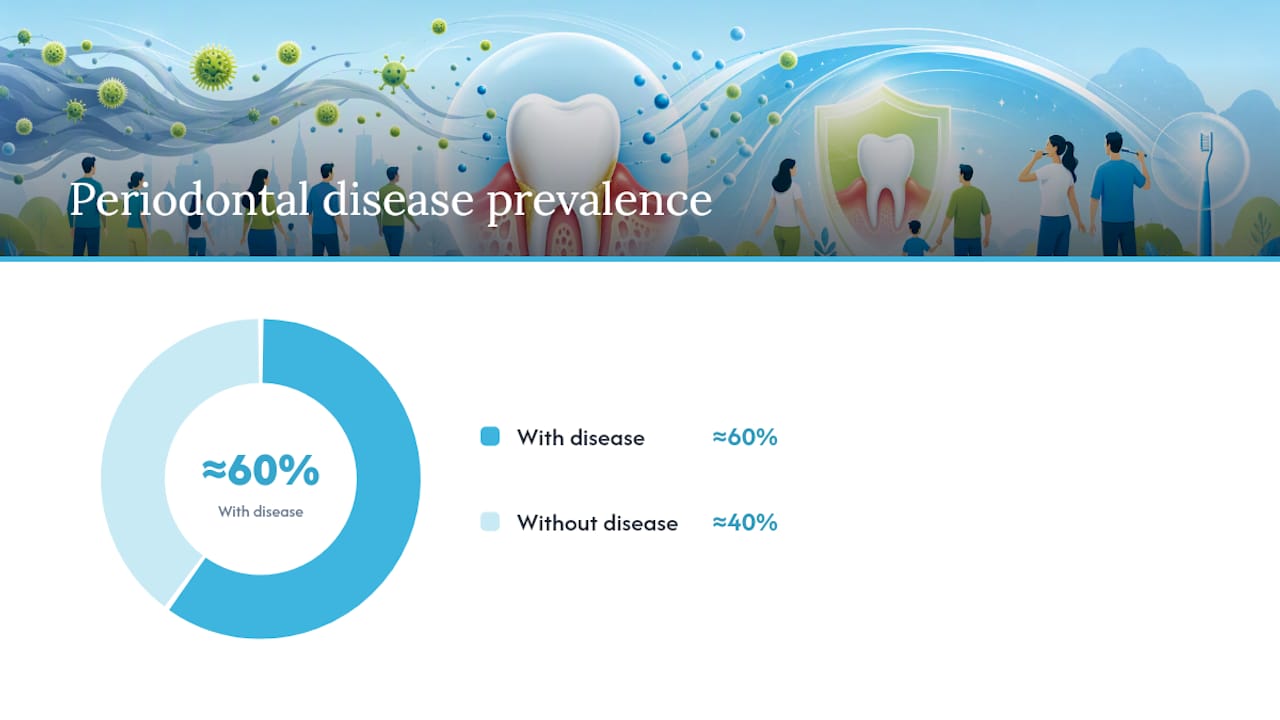
Reviews cited in Frontiers in Cellular and Infection Microbiology note that the overall prevalence of periodontal disease approaches nearly 60% in some population summaries, while advanced periodontitis affects an estimated 10–15% of those with the condition.
| Stage | Typical timeframe | Key clinical signs |
|---|---|---|
| Healthy gums | Ongoing with good care | No bleeding, firm pink tissue, pockets ≤3 mm |
| Gingivitis | Days to weeks of poor hygiene | Redness, swelling, bleeding on brushing |
| Early periodontitis | Months of untreated gingivitis | Pockets 4–5 mm, early bone loss on X-ray |
| Moderate periodontitis | Months to years | Pockets 5 mm, visible bone loss, possible sensitivity |
| Advanced periodontitis | Years, faster with risk factors | Pockets >7 mm, significant bone loss, tooth mobility |
Seek prompt care if you notice persistent bleeding that does not improve with better brushing, a tooth that feels loose, a draining abscess, or severe pain. These signs suggest active, rapid attachment loss that needs professional attention soon, not at the next routine recall.
How to stop gum disease from spreading
Daily home care
Good home care is the foundation. Follow these steps consistently:
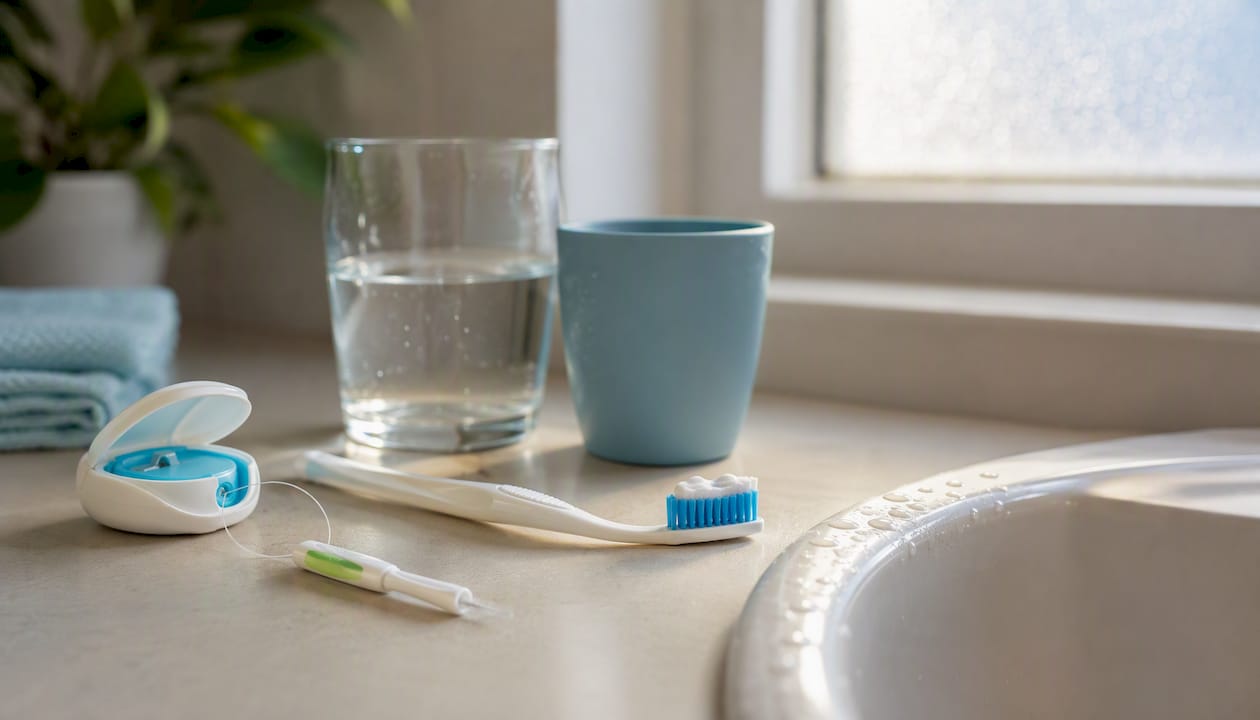
- Brush twice daily for two minutes using a soft-bristled brush and fluoride toothpaste, angling the bristles at 45 degrees toward the gum line. A step-by-step gum care guide can help you refine your technique.
- Clean between teeth daily with floss, interdental brushes, or a water flosser to remove plaque from areas a toothbrush cannot reach.
- Address dry mouth by staying hydrated, using alcohol-free rinses, and discussing medication alternatives with your doctor if needed.
- Quit smoking. Cessation improves gum tissue response to treatment more than almost any other single change.
- Manage blood sugar if you have diabetes, in collaboration with your medical team.
What to expect at a professional appointment
| Level of care | Purpose | Provider | Frequency | Typical outcome |
|---|---|---|---|---|
| Routine hygiene (prophylaxis) | Remove plaque and tartar, early detection | Dental hygienist | Every 3 months (or more often with risk factors) | Prevents gingivitis from advancing |
| Non-surgical periodontal therapy (scaling and root planing) | Remove subgingival tartar, smooth root surfaces, reduce pockets | Dental hygienist or periodontist | As needed, followed by 3-month maintenance | Pocket reduction, tissue reattachment |
| Adjunctive therapy | Antibiotics or antimicrobial rinses to support debridement | Dental provider | Alongside scaling when indicated | Reduces pathogen load at resistant sites |
| Surgical periodontal care | Access deeper deposits, regenerate bone or tissue | Periodontist | For sites unresponsive to non-surgical care | Restores support at advanced sites |
Professional scaling removes the subgingival tartar that home care cannot touch, which is why regular dental visits are not optional once periodontitis has developed. After active treatment, a three-month maintenance interval is standard to prevent re-colonisation. For a detailed look at what Orangeville clinics offer, the guide to periodontal care in Orangeville walks through each stage.
Healthysmiledentalhygiene is here for your gum health in Orangeville

Catching gum disease early makes a real difference, and that is exactly what the team at Healthysmiledentalhygiene is set up to do for families across Orangeville and Dufferin County. The clinic offers professional cleanings, thorough periodontal assessments, scaling and root planing, and ongoing hygiene maintenance, all in a welcoming, comfortable setting designed with nervous patients in mind.
Whether you are coming in for a routine cleaning or you have noticed some of the warning signs described above, the team will take the time to explain what they find and what your options are, without pressure or jargon. Family appointments are welcome, so you can get the whole household on a prevention schedule in one visit.
To take the next step, visit the oral health services page to learn more or book a visit with our Orangeville team.
Sources
The sources below prioritise Canadian public health and professional bodies, supplemented by peer-reviewed clinical reviews.
- Canada
- Microbiological and molecular aspects of periodontitis pathogenesis — Frontiers in Cellular and Infection Microbiology
- Periodontal (Gum) Disease — Cleveland Clinic
This article is general information, not a substitute for advice from a qualified doctor. Consult a qualified healthcare professional about your own circumstances before acting on anything here.
FAQ
How do you stop gum disease from spreading?
Daily brushing at the gum line, interdental cleaning, and quitting smoking address the modifiable causes. Professional scaling removes subgingival tartar that home care cannot reach, and three-month maintenance intervals prevent re-colonisation after active treatment.
How quickly does gum disease spread?
Gingivitis can develop within days to weeks of poor oral hygiene and is fully reversible. Destructive periodontitis generally progresses over months to years, though smoking, uncontrolled diabetes, and genetic susceptibility can accelerate bone loss considerably.
Does gum disease ever go away on its own?
Gingivitis can resolve with improved home care and a professional cleaning. Periodontitis, which involves bone and tissue loss, does not reverse on its own; it requires professional treatment to halt progression, and lost bone rarely regenerates fully without surgical intervention.
Why is a gum infection spreading to other teeth?
Subgingival tartar and the bacteria it harbours can migrate along the root surface and into adjacent pockets, spreading the biofilm community to neighbouring teeth. This is why professional scaling of all affected sites, not just the most symptomatic tooth, is necessary to stop progression.